
Ava Toon is a writer, designer and performer based in Naarm. She is passionate about spotlighting and telling the stories of emerging artists and theatremakers, and co-creating with empathy and play. She currently works as co-editor of Esperanto Magazine and has written, performed, and assistant-directed for theatre companies such as La Mama Theatre, Bloomshed, and MUST Theatre.
Images by Hayley Edgar
Performed for its second season at Melbourne Fringe Festival 2026, Fairytalers is a play that stays with audiences far longer than its 90-minute runtime. Writer Ellis Austin Finnie reignites the magical and familiar art of the storytelling of our childhoods whilst adding a sharp, comedic and necessary feminist twist.
The play follows the ghosts of four female writers from 17th century France, revisiting their memories and commenting on our contemporary world which they observe from the afterlife beyond. These women are credited for their roles in the invention of fairytales as we know them, but have been culturally overshadowed by male figures like the Brothers Grimm. Their names are Marie-Catherine Le Jumel de Barneville, Charlotte-Rose de Caumont de La Force, Marie-Jeanne L'Héritier de Villandon, and Henriette-Julie de Murat.
Finnie meticulously and respectfully balances sincere and sometimes heavy topics with raunchy, wry humour that uplifts the critical questioning throughout the show. What is a happily-ever-after? And did the women of the times these stories were written ever get to experience something even close to one? The characters interrogate what qualifies as revolutionary, and support a broader commentary on the importance of the arts and the historical erasure of women’s achievements.
The writing of this show is uplifted by director Gabrielle Ward. Ward’s direction is dynamic and inviting (at one point in the literal sense: two audience members are brought onstage for a dance!). She masterfully constructs a space where the audience feels giddy and included in her intimate circle of storytelling which transcends the boundaries of the stage.
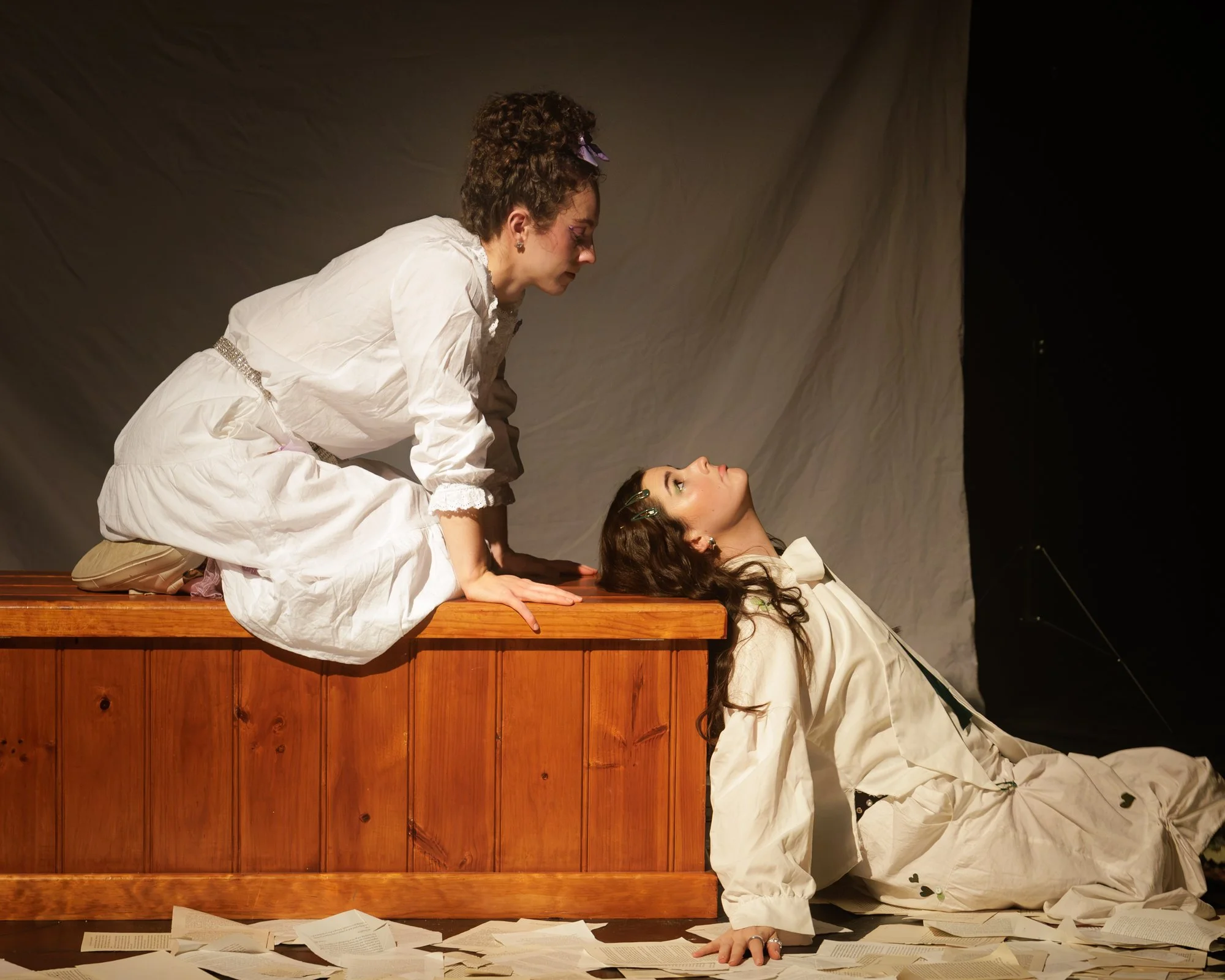
The unique nuances of each character’s personalities are brought to life by a stellar cast who liven the stage with animated and energetic performances. Ellie Carroll is captivating as Catherine, who acts as the thoughtful and inimitable foundation to the rest of the characters’ musings. Daisy Valerio shines as Charlotte, a picture of demure womanhood who seethes with anger about the way she has been treated. Grace Gemmell delights as Marie, the curious and dreamy love interest of Henriette, played by Olivia Morison, a strong and comedic whirlwind whose brashness challenges the expectations of what it means to be a lady.
The performers artfully navigate the balance between impish humour and real historical injustices, such as Henriette’s persecution for existing as a queer woman. The result is relevant, biting, and at times bittersweet. One of my personal highlights is when the women discuss what it feels like to lose someone you love, and compare it to “going downstairs in the dark and missing a step”. These moments of sincerity are what ground the show and miraculously make the audience connect to people who existed over three centuries ago.
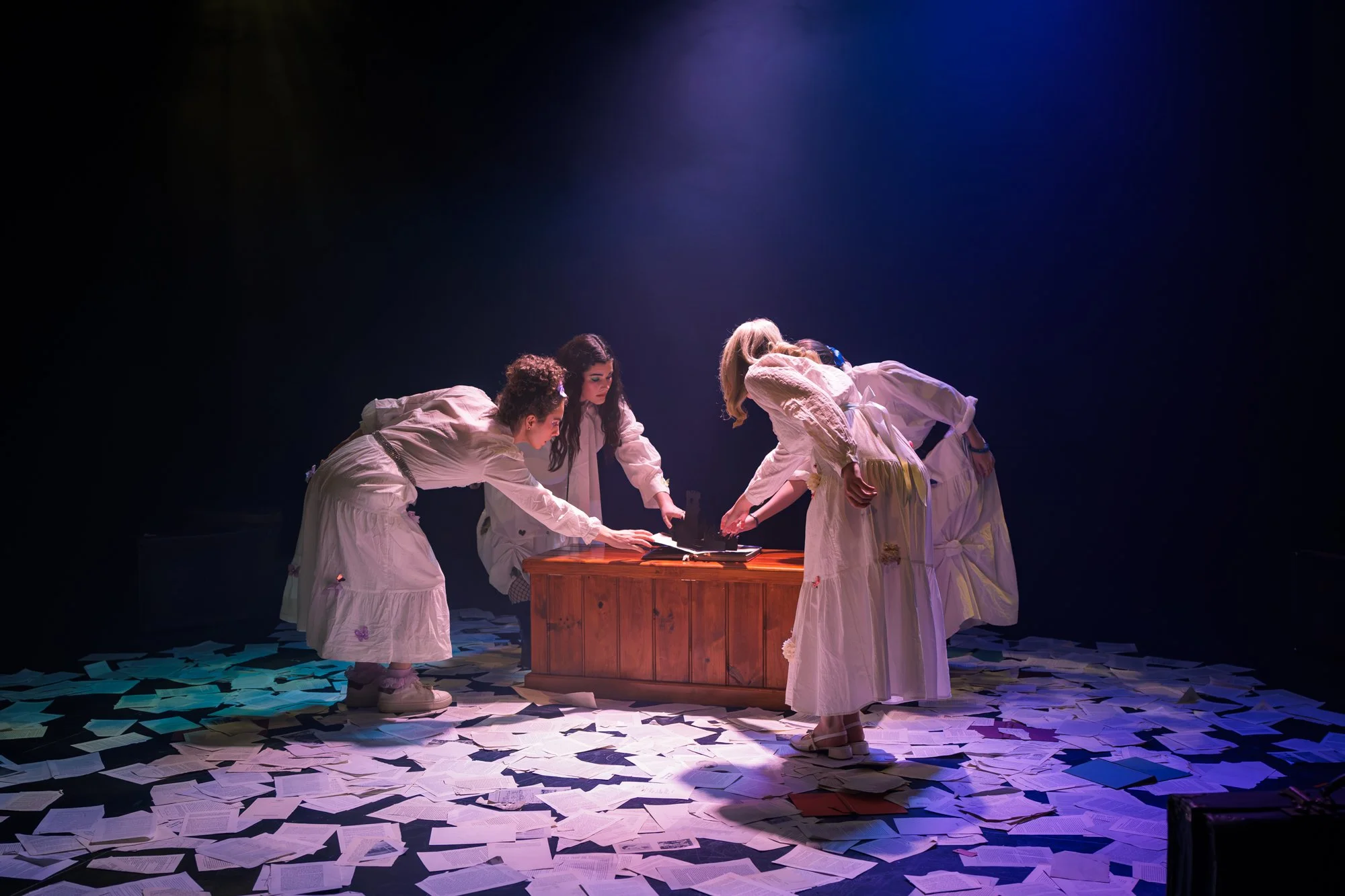
The most standout element of this show was its magical and atmospheric design. Set and costume design powerhouse Fiona Macdonald has worked expertly alongside lighting designers Ashleigh Basham and Justin Heaton to create enchanting scenes of shadow puppetry as the characters recount the fairytales they wrote. Initially hidden inside of the trunks onstage, the doll-like props and backdrops used to storytell appear to be handcrafted, which contribute to the delicate and nostalgic qualities of a fairytale.
There is a universal sisterhood that emerges from being undermined, mistreated, and forgotten. Throughout Fairytalers, this sisterhood has successfully withstood the test of place, language and time.