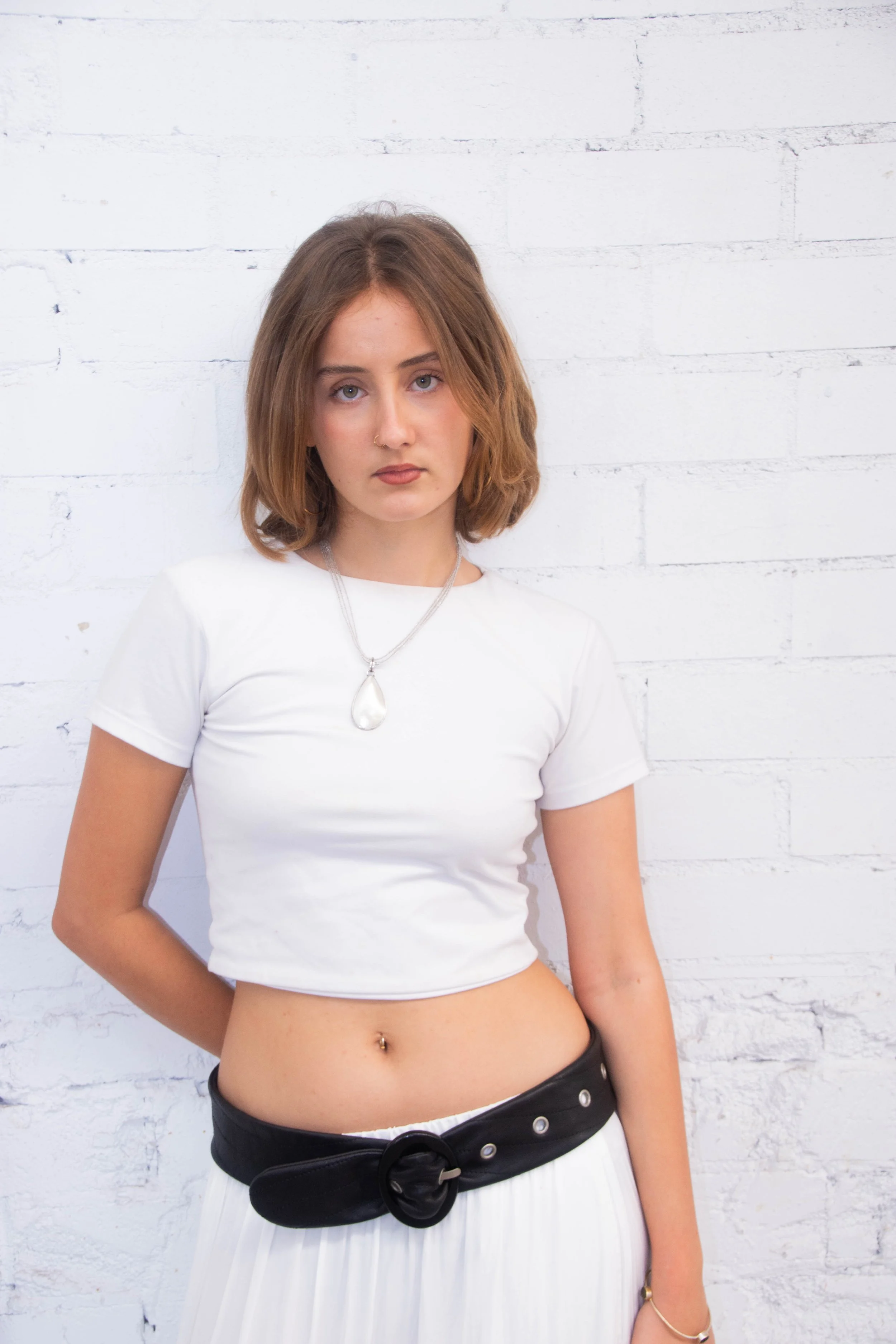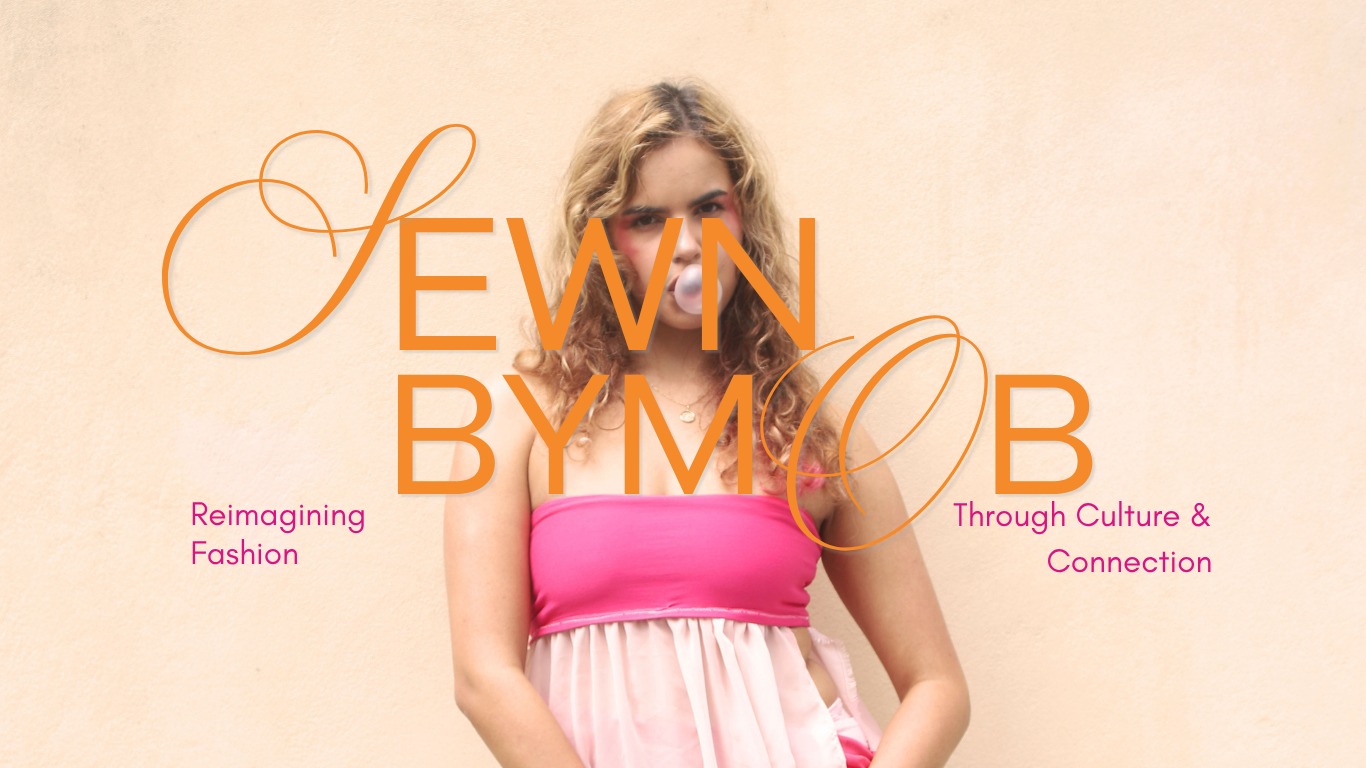
SewnbyMOB exists as both a platform and a meeting point, where fashion becomes a way of finding, questioning, and reclaiming identity. Through collaborative photoshoots, Jade Leaman brings First Nations creatives together to create work that is grounded in culture, connection, and self-expression. What started as a personal search for belonging has grown into a space that centres community, amplifies emerging voices, and insists on being seen beyond tokenism, as something complex, evolving, and deeply felt.
Interview by Ellie Moran (She/her)
Before the concept, before the styling, Jade Leaman starts with a feeling. A shoot she can already see. Then she works backwards. It is, she admits, a slightly chaotic way to run things. It is also, from the outside, a pretty good metaphor for everything that defines this young creative and the project she has been quietly building since her first year of fashion school. SewnbyMOB has become something that begins intuitively, builds through community, and ends up being more than the sum of its parts.
Growing up on the Sunshine Coast, Jade, the 19-year-old Latje Latje woman, always knew she wanted to move to a big city for university. Sydney promised the kind of fashion world she had seen in films as a kid, and she told her parents early that she was going. When she arrived, the industry side delivered. The personal side was more complicated. She found it hard to connect with other mob, hard to find spaces that felt like hers, hard to locate the part of herself she had grown up without easy access to.
"I lived with this feeling that a piece of myself was missing."
It is the kind of feeling that is easy to push down when you are busy, and Jade is very busy. A typical day starts at 6am with uni work before a 9am class, followed by a fashion internship. She is surrounded by the industry she loves, which feeds her. But the search for culture and community was running alongside all of it, quietly and persistently.
What started as a plan to run fashion workshops for First Nations school kids gradually became something closer to what she had always done naturally: photoshoots. Long before SewnbyMOB had a name, Jade had an earlier creative account, Sewnbymoon, where she first started posting her fashion work. "It became the side of myself where I could be as creatively expressive as I wanted to be," she says. SewnbyMOB grew out of that same impulse, but with a clearer purpose: a creative direction platform built entirely on collaboration between Indigenous designers, models, and artists. A place, she says, where creative mob can meet and make work together.
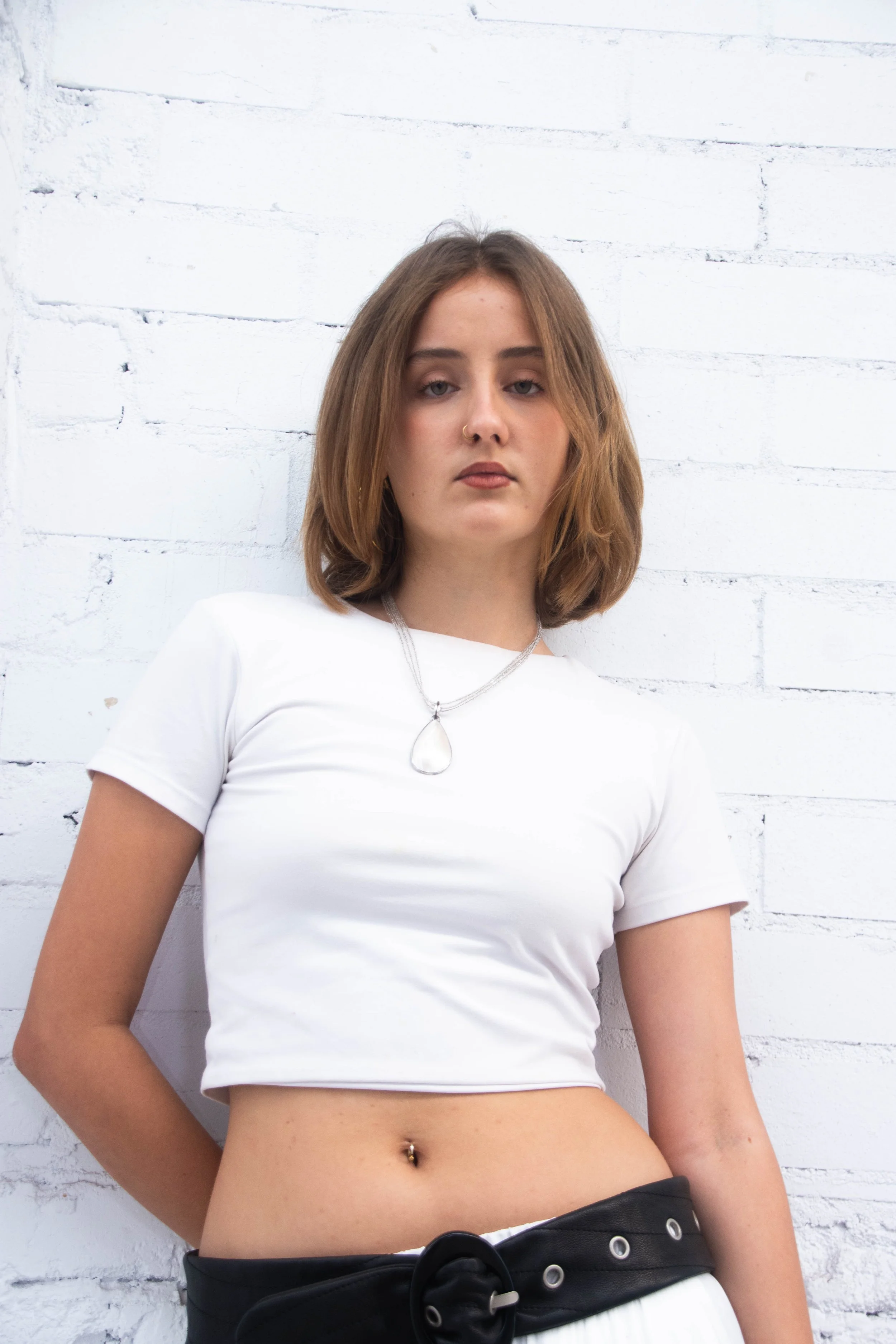
"It's a community that allows for First Nations people, who may have grown up disconnected from culture, to reconnect with mob."
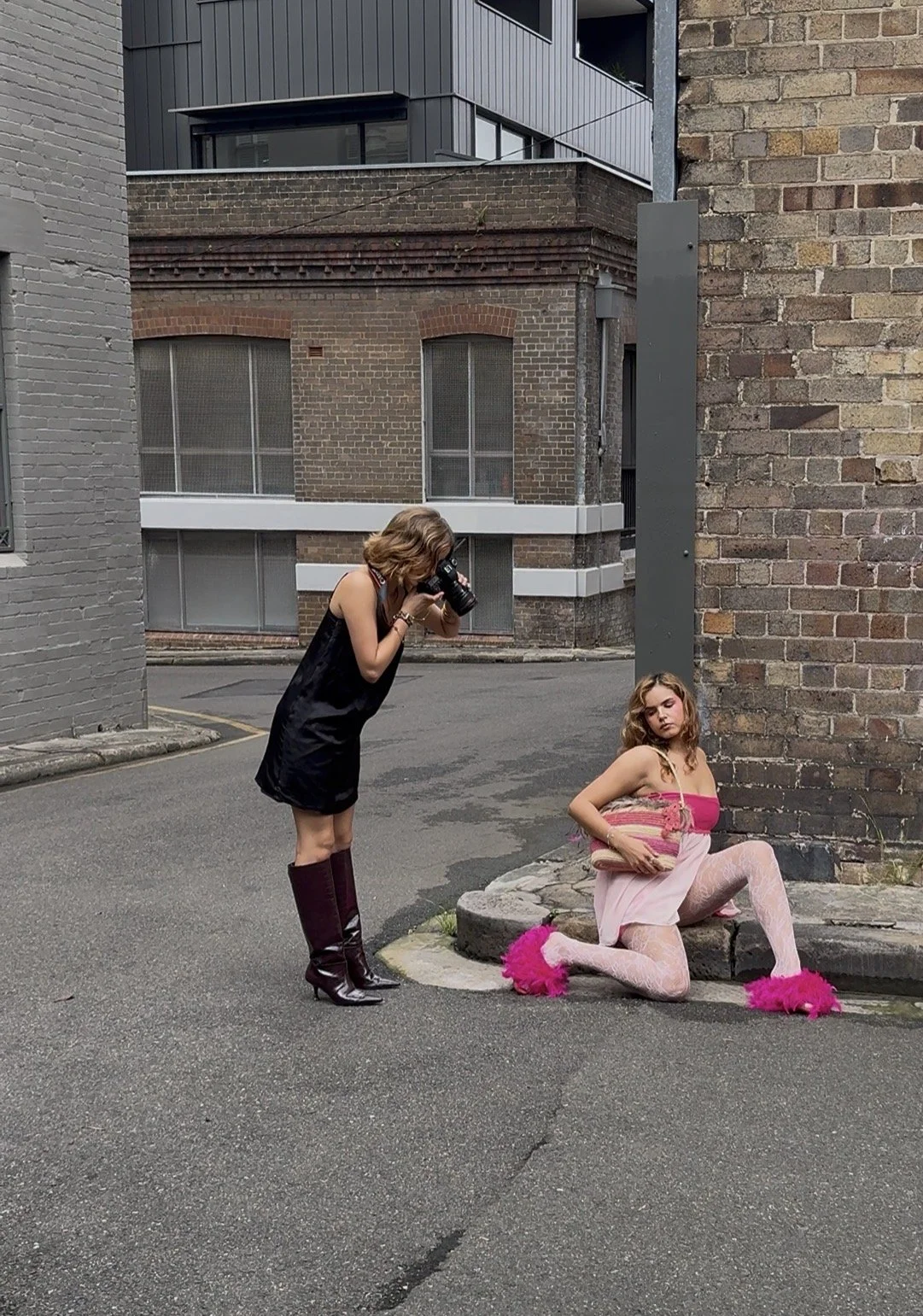
"SewnbyMOB is built on collaboration. The fashion techniques I see within First Nations design work are always so technical and beautifully authentic."
The process is deliberate even when it feels instinctive. Once Jade connects with a designer whose work she wants to feature, she builds an inspiration board, writes out the concept, maps the content, locks in the creatives. Then comes sourcing, borrowing styling pieces, thrifting where she can, walking neighbourhoods until she finds the right backdrop. "As a baddie on a budget," she laughs, "you make it work." On shoot day, everything comes together. That part, she says, is her favourite.
That sense of authenticity is central to what makes SewnbyMOB feel different. The mainstream fashion industry, Jade argues, has a habit of treating First Nations representation as something to perform rather than genuinely centre. She is not interested in being a diversity tick. She is not trying to get a seat at a table that has historically excluded her community. SewnbyMOB operates on its own terms, for its own people first.
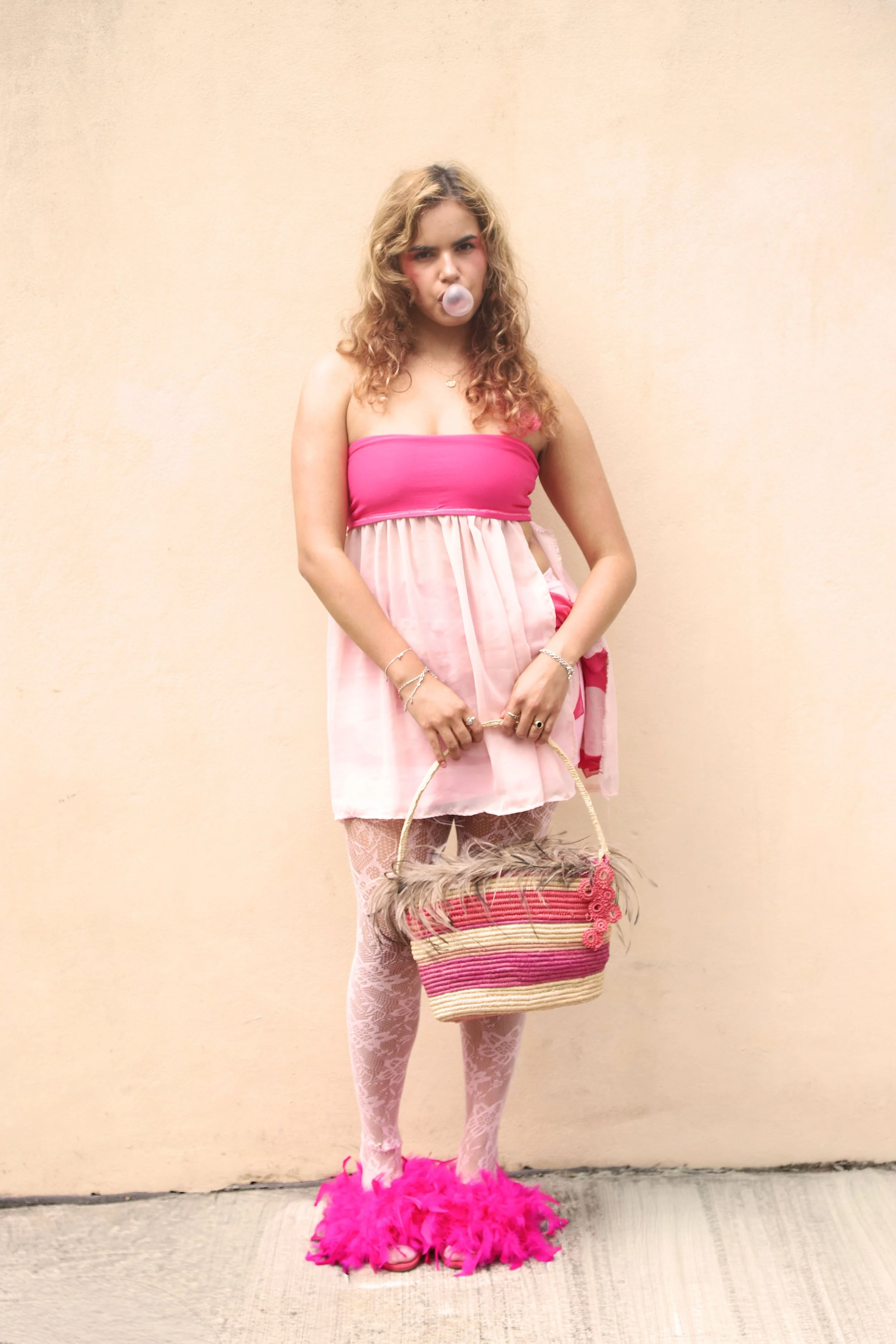
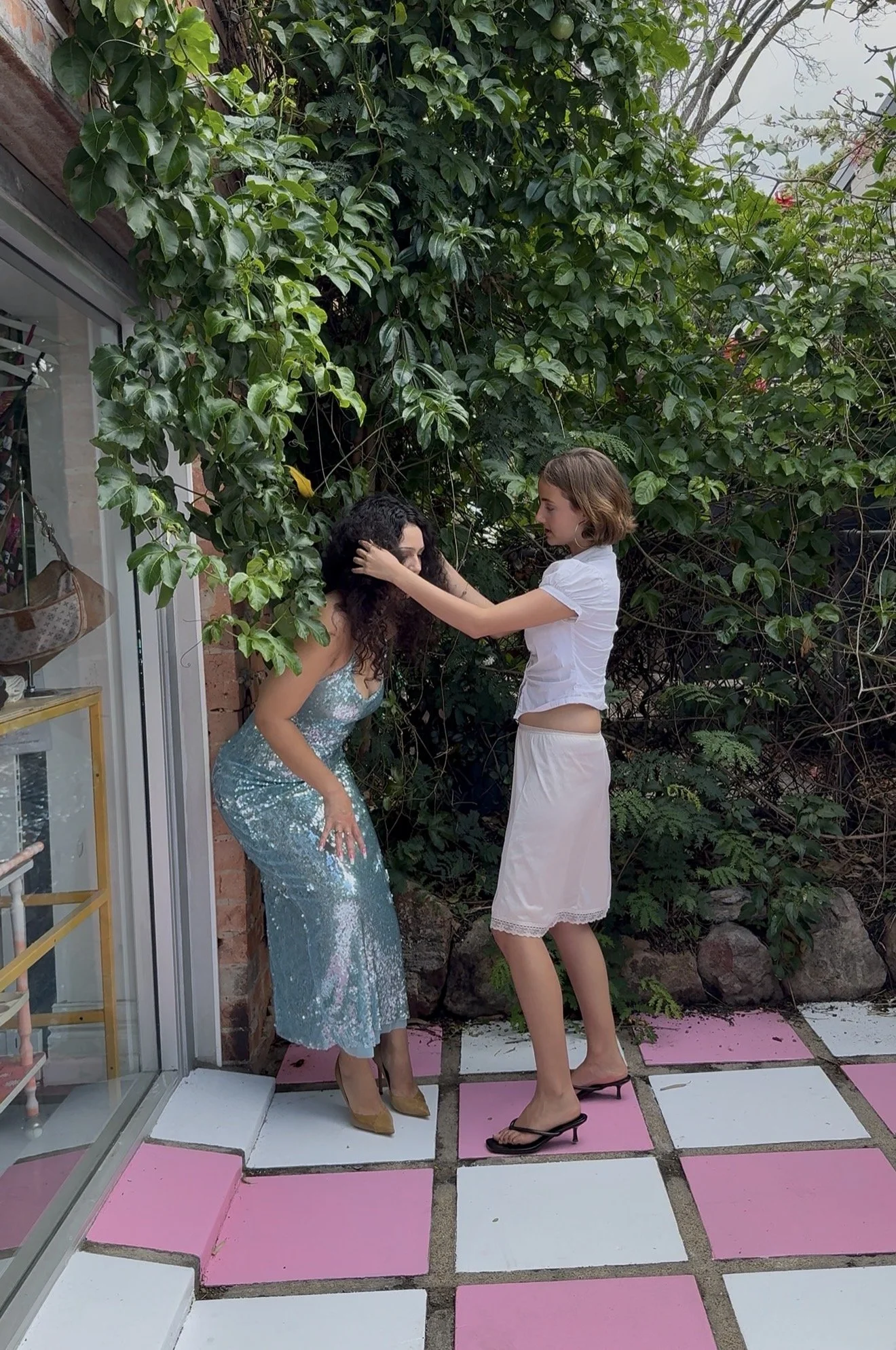
Visibility, for Jade, is not about access for its own sake. It is about the work. She wants to spotlight the Indigenous talent that already exists in the industry, to bring it to centre stage rather than to the margins. "That's why SewnbyMOB is so incredibly important to me," she says. And when you hear her talk about it, you believe her completely.
It is a conviction she carries personally too. Her country is Latje Latje, but she grew up far from it. Her grandmother, shaped by a generation that was taught to feel ashamed of Indigeneity, never really talked about culture. So Jade arrived at fashion school already in the middle of a longer search, and SewnbyMOB became part of it. Exploring culture through her creative work, she says, feels like a judgement free space. Somewhere she can ask questions and learn without pressure or expectation. As a lighter-skinned Aboriginal woman, she is open about how complicated that navigation can feel.
"For so many years First Nations people were pushed to the background. Even now I feel like we are just seen as a box to be ticked for diversity, not because we actually want to be seen."
"I can feel like a fraud for doing what I do. But that's exactly why I keep doing it. The work is also my own journey of learning."
For someone who admits she is very hard on herself, it is a generous answer. An acknowledgment that certainty at 19 would be less honest than curiosity. When she needs to reset, she goes back to the Sunshine Coast, visits her loved ones, goes to the beach. "The ocean really helps clear my mind," she says. And when a creative block hits, she knows to walk away, come back later, come back with more perspective. She has learned, it seems, to trust the process even when it frustrates her.
Her dream collaborators are the people she is already working with. Her north star is Grace Wales Bonner. She wants to be in the room at fashion week, to speak about why Indigenous representation in fashion is not just important but specific and irreplaceable. She wants young Indigenous people wearing her designs, styled editorially, high fashion, entirely on their own terms. None of it reads as wishful thinking when she says it. It reads like a plan.
"Forever growing and changing. Your creative identity evolves as you evolve. It's never stagnant."
That honesty extends to how she talks about her creative identity more broadly. Fashion school pushes her into aesthetics and choices she would never arrive at on her own, and she is open to that. Still figuring out who she is, still letting the work teach her. When asked to describe her aesthetic, she does not reach for something polished or fixed.
For now, the shoots continue. The community keeps growing. And Jade keeps building, shoot by shoot, the kind of space she needed when she first arrived.