
Three Generations, One Thread: Inside Valissia’s Melbourne Fashion Festival Exhibition
Words by Daisy Fae Fielding
"Making by hand has always been a language of love and resilience."
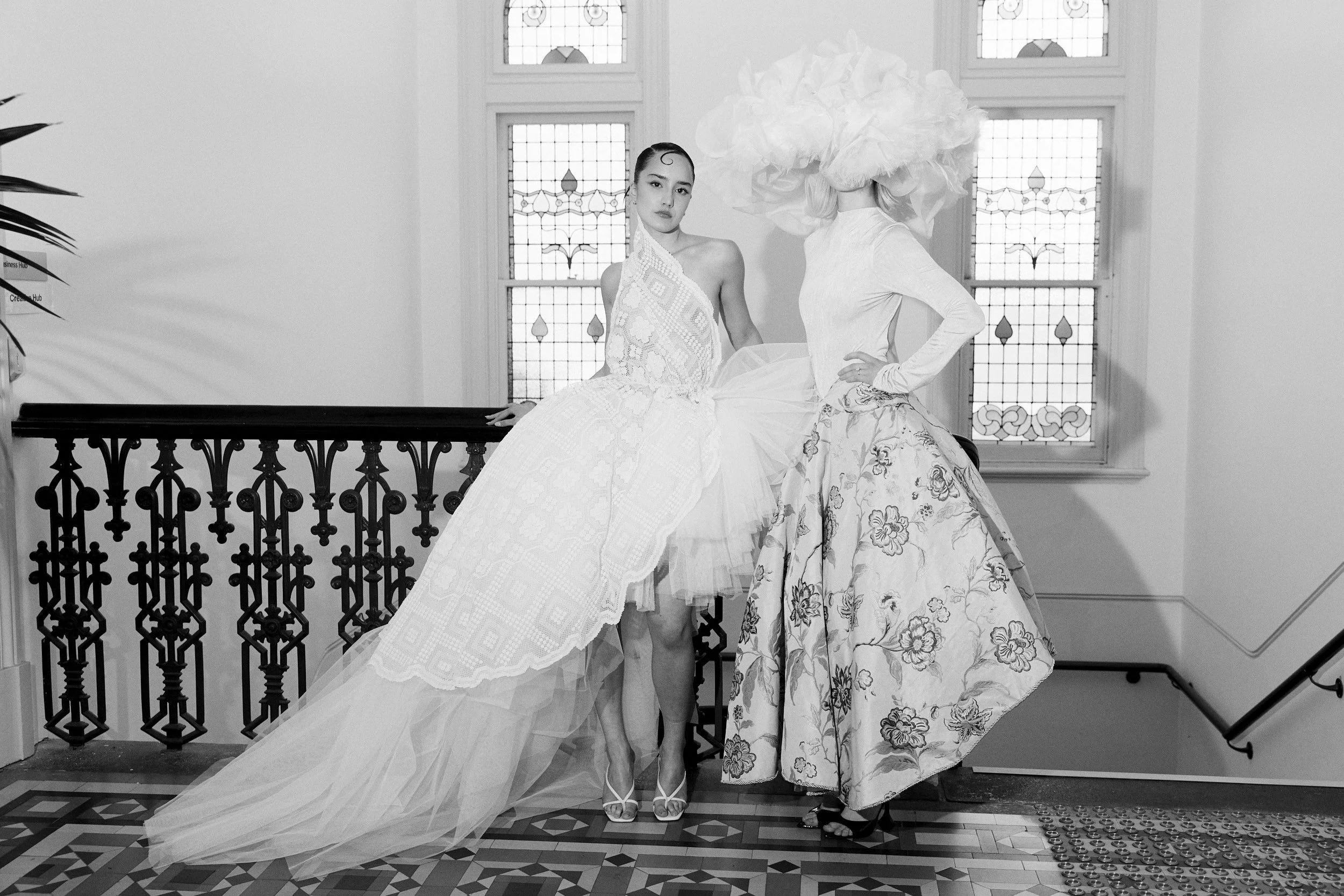
In an era where fashion is defined by consumption, clothes are worn briefly and replaced even quicker. Valissia’s upcoming exhibition, Matrilineal Threads, offers a quiet resistance, asking what happens when fashion is passed down, not fast-tracked.
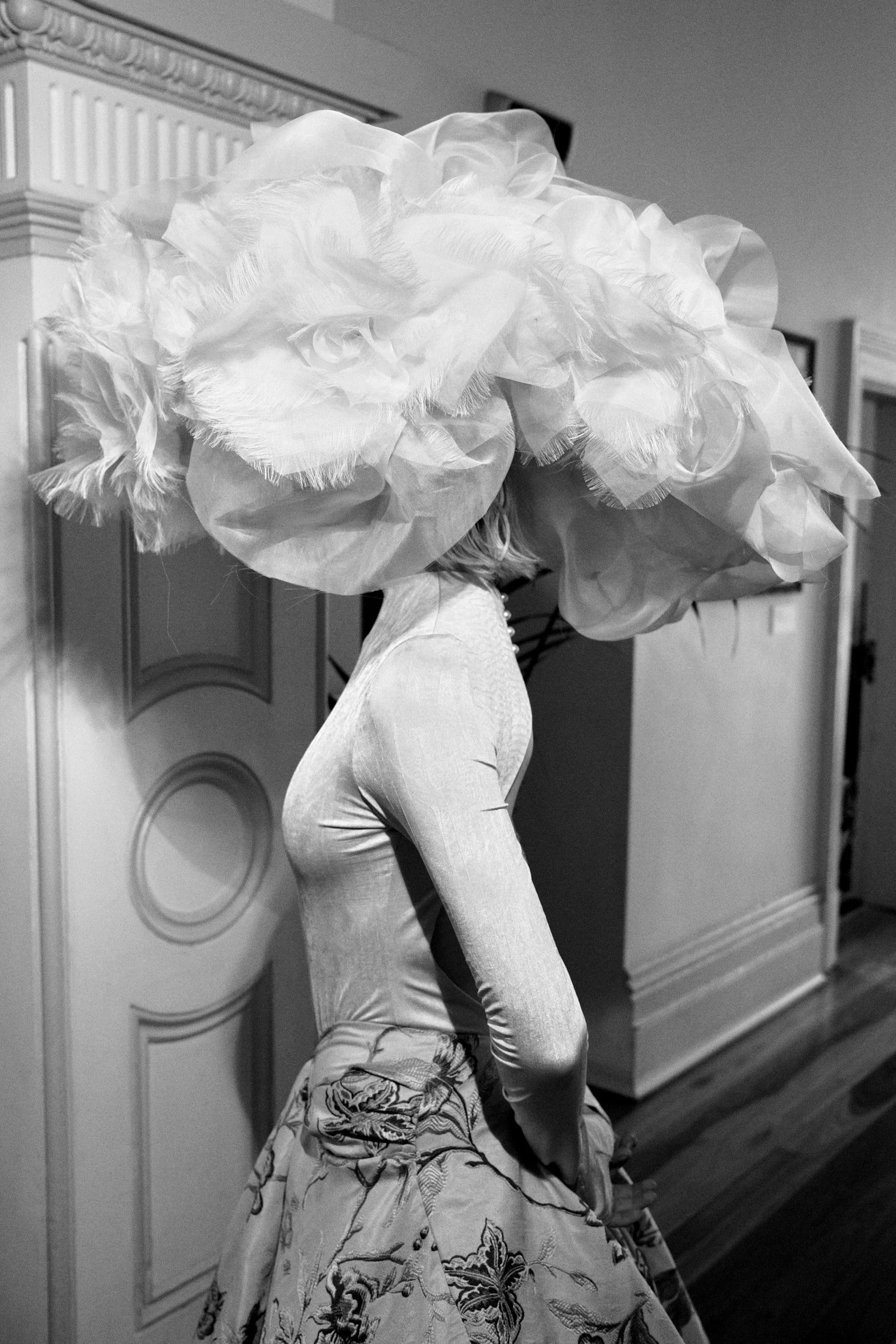
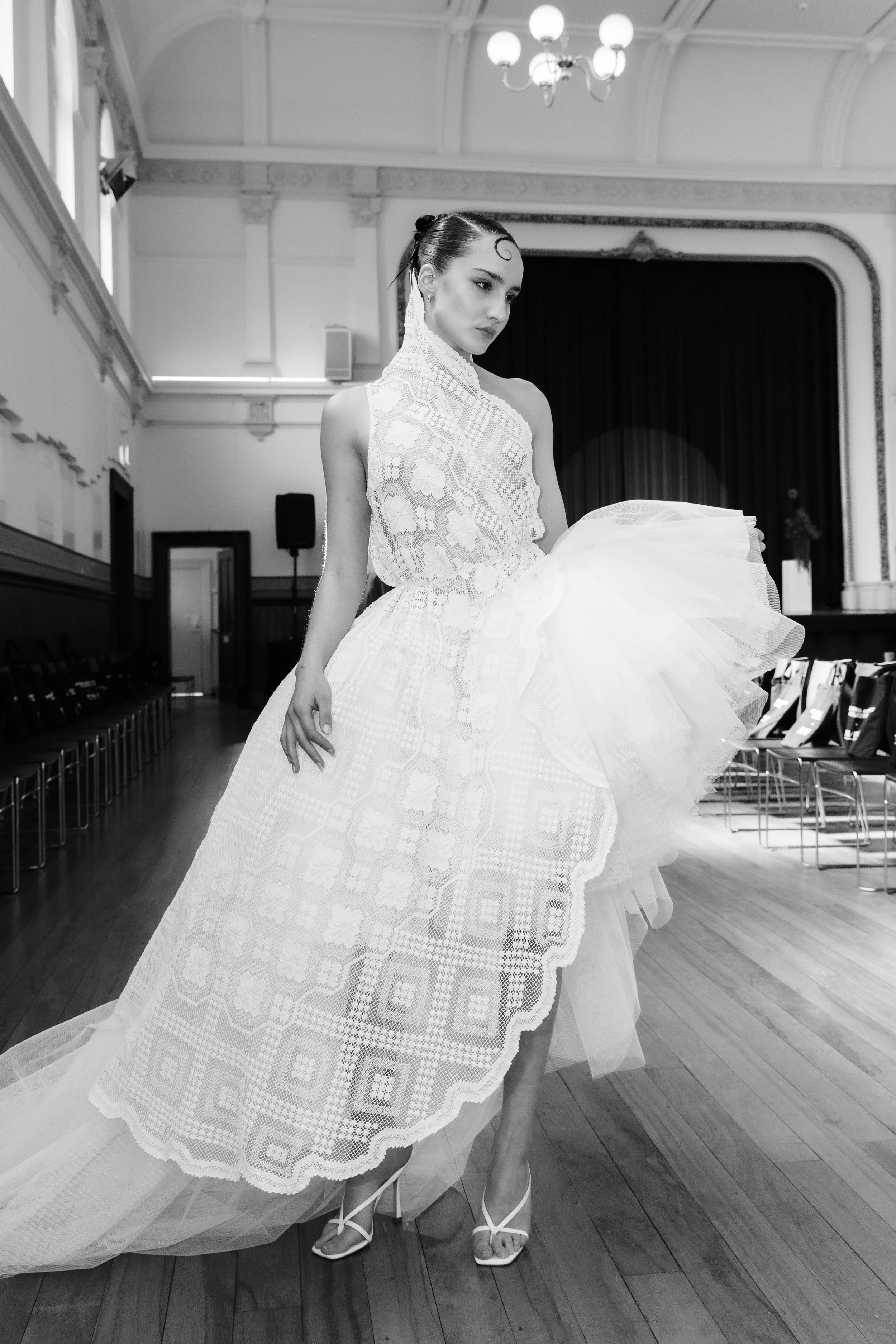
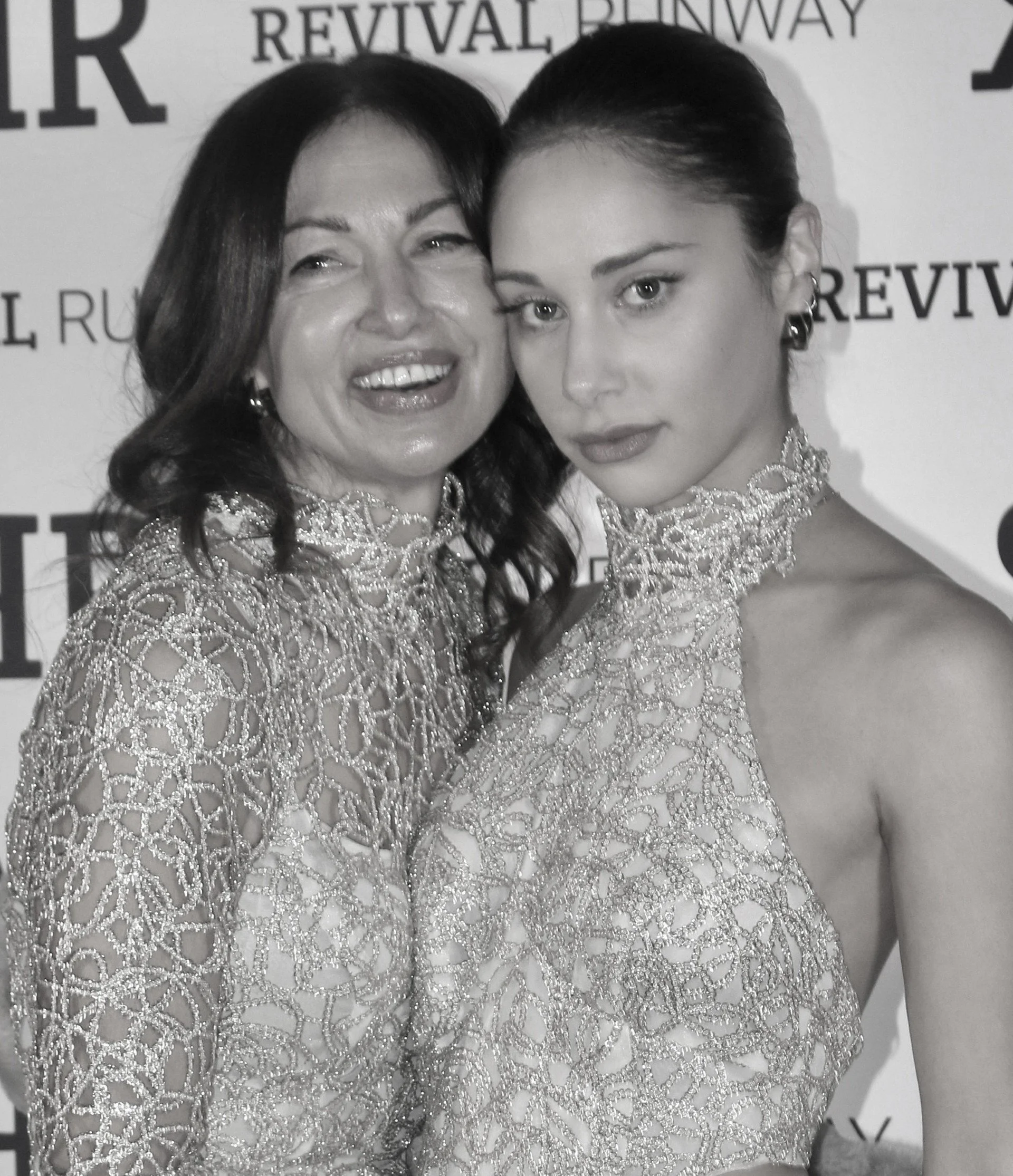
Founded by designer Ruby Valentino in collaboration with her mother, a former bridal couturier, the Melbourne-based label is rooted in Italian craft traditions and intergenerational textile practices. Their work honours both memory and innovation, utilising reclaimed materials and heirloom textiles to create an industry centred around meaningful design. Matrilineal Threads brings traditional techniques, including beading, hand draping, and couture hand finishing, into contemporary contexts.
At its core, Matrilineal Threads reflects an ongoing dialogue between past generations of women and future forms of creative practice. Drawing from a shared history of repairing and treasuring garments rather than discarding them, the work speaks to a shift toward community and longevity. Despite being undervalued, the labour and craftsmanship of women have preserved cultural knowledge and sustained communities for generations. This rich history sits quietly within the label's work, shaping how Ruby designs, not just technically but emotionally.
As she describes, the collection is a way of “carrying forward the values and knowledge passed down from my grandmother and mother, so those ways of making can continue through future generations.” Julie echoes this sentiment, explaining that “creating pieces that last means preserving skills, processes and memories, not just objects.”
Presented as a part of Melbourne Fashion Festival's Independent Programme, the exhibition invites viewers into the intimate dialogue between past and present. Bringing together three generations of women, Matrilineal Threads features Ruby Valentino, her mother Julie Simonelli-Valentino, and her grandmother Angela Simonelli.
Below, the three reflect on their exhibition shaped by memory, care, and the knowledge passed down through generations of women, often without recognition.
How would you describe Valissia?
Julie Simonelli-Valentino (Mother): Quietly confident, crafted with intention. The label is rooted in care, quality, and timeless design.
Ruby Valentino (Daughter): Valissia is grounded in craftsmanship and considered design, creating pieces intended to be worn, kept, and carried forward.
Tell me about your upcoming exhibition. What was the inspiration behind it?
Angela Simonelli (Grandmother): It’s about family. Making is how I show love. I made clothes and blankets out of love for my children. I come from a Sicilian culture shaped by the Baroque. Creating has always been part of my life through sewing, embroidery, and painting.
Ruby Valentino (Daughter): Matrilineal Threads comes from the women in my family and the knowledge passed down through making, not as something to keep untouched, but something that’s still active and evolving. The collection reflects where I come from while leaving room to explore where my practice is going next. It speaks to the ongoing relationship between past and present, and how craft continues to change through the hands that carry it forward.
Where did you get your start in the fashion industry? And when did you fall in love with fashion?
Angela Simonelli (Grandmother): In those days, we did not think of it as the fashion industry. You took work where you could. I worked as a machinist and later became a forelady, looking after around 120 machinists. At home, we sewed because we had to. We made dresses from curtains, repaired clothes again and again, learning by watching our mothers and aunties. It was about caring for your family and keeping dignity when there was not much after the war.
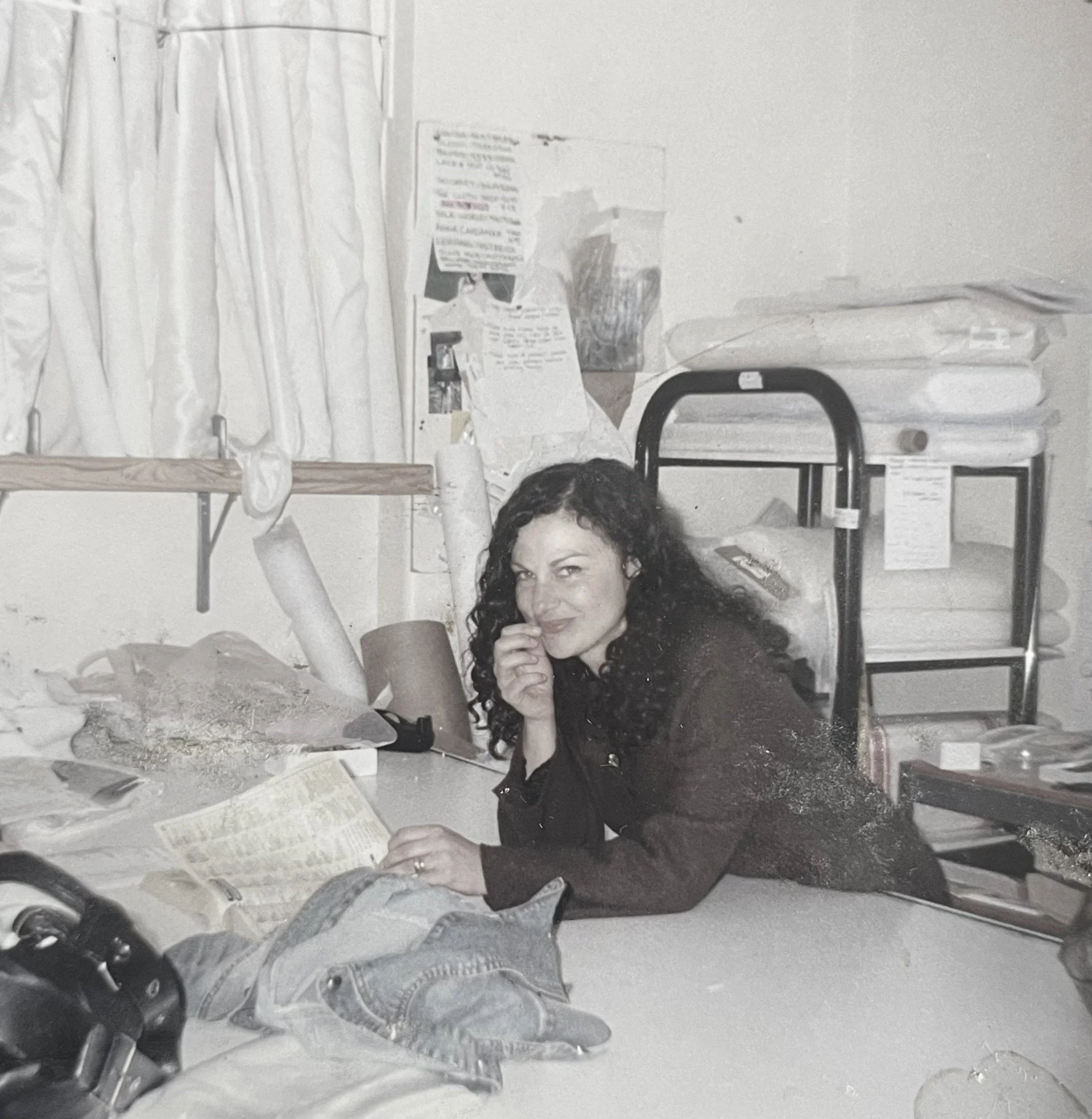
Julie Simonelli-Valentino (Mother): From the age of nine, I knew I wanted to be a fashion designer. I grew up in a very creative household. My parents designed and built our family home, and watching ideas move from concept to drawing and then into something physical shaped how I understand design. Creativity was always treated seriously, and their entrepreneurial spirit and love of European art showed me that design could be a career.
Ruby Valentino (Daughter): Growing up, I spent a great deal of time in my mother’s bridal studio, sewing in the back room and becoming familiar with zippers, trims, and offcuts. As I grew older, my focus shifted toward shape and silhouette, a curiosity that has continued to deepen as my practice has evolved. I studied a Bachelor of Fashion Design at RMIT, the same course my mum completed in the 1990s, which felt very full circle. While studying, I began working in the bridal industry and fell completely in love with it.
Why do you believe women’s craft has been historically undervalued?
Julie Simonelli-Valentino (Mother): Work done by women in the home was often invisible. Sewing, embroidery, and quilting were necessary, but because they were unpaid and private, they were not seen as creative practices. A huge amount of skill and intuition existed outside the systems that decide what is considered art.
Angela Simonelli (Grandmother): My mother had six children to clothe, so everything she made had to be practical and affordable. Even though she was a skilled seamstress, her work was seen as something that simply needed to be done. The creativity was always there, but it was not spoken about or valued.
Ruby Valentino (Daughter): A lot of women’s craft happened quietly and without recognition because it took place in domestic spaces rather than institutions. That meant it was rarely seen or valued as art. Reclaiming these skills now is about recognising their value and allowing them to be seen on their own terms.
How can the history of women’s craft shape the present?
Ruby Valentino (Daughter): For me, this history offers another way of thinking about fashion today. It is slower and more considered, and less about excess. Looking back at domestic craft encourages younger designers to value process and meaning, not just outcomes. It creates space for work that lasts emotionally, not just visually.
Angela Simonelli (Grandmother): When I was younger, we were careful about the fabrics we chose and the designs we copied. I used to buy Vogue and try to recreate what I saw because we could not afford ready-made clothes. Today, clothes are cheap and everywhere, but that same care still exists in bespoke work. Domestic craft teaches patience, skill, and respect for materials, and those values still matter.
Julie Simonelli-Valentino (Mother): For a long time, women’s domestic craft was seen as a duty. It was tied to running a household and caring for others. Looking back now allows us to see those skills differently; they hold knowledge, independence, and creativity. Revisiting this history helps us value manufacturing that is intentional, thoughtful, and deeply human.
What was it like collaborating across three generations for this exhibition?
Angela Simonelli (Grandmother): It brought back memories of working with Julie. It was very emotional. I never imagined the things I made at my kitchen table would end up in an exhibition. Seeing my daughter and granddaughter value this work makes me very proud.
Ruby Valentino (Daughter): Working across three generations felt grounding and personal. I was not just learning techniques, I was learning habits, stories, and ways of thinking. It changed how I approached the collection and made me more intentional as a designer.
Julie Simonelli-Valentino (Mother): It was a stimulating experience. Each of us brought different strengths and perspectives, and that exchange pushed the work further. It became layered and immersive rather than just visual.
Your label honours both memory and innovation. How do you balance the two?
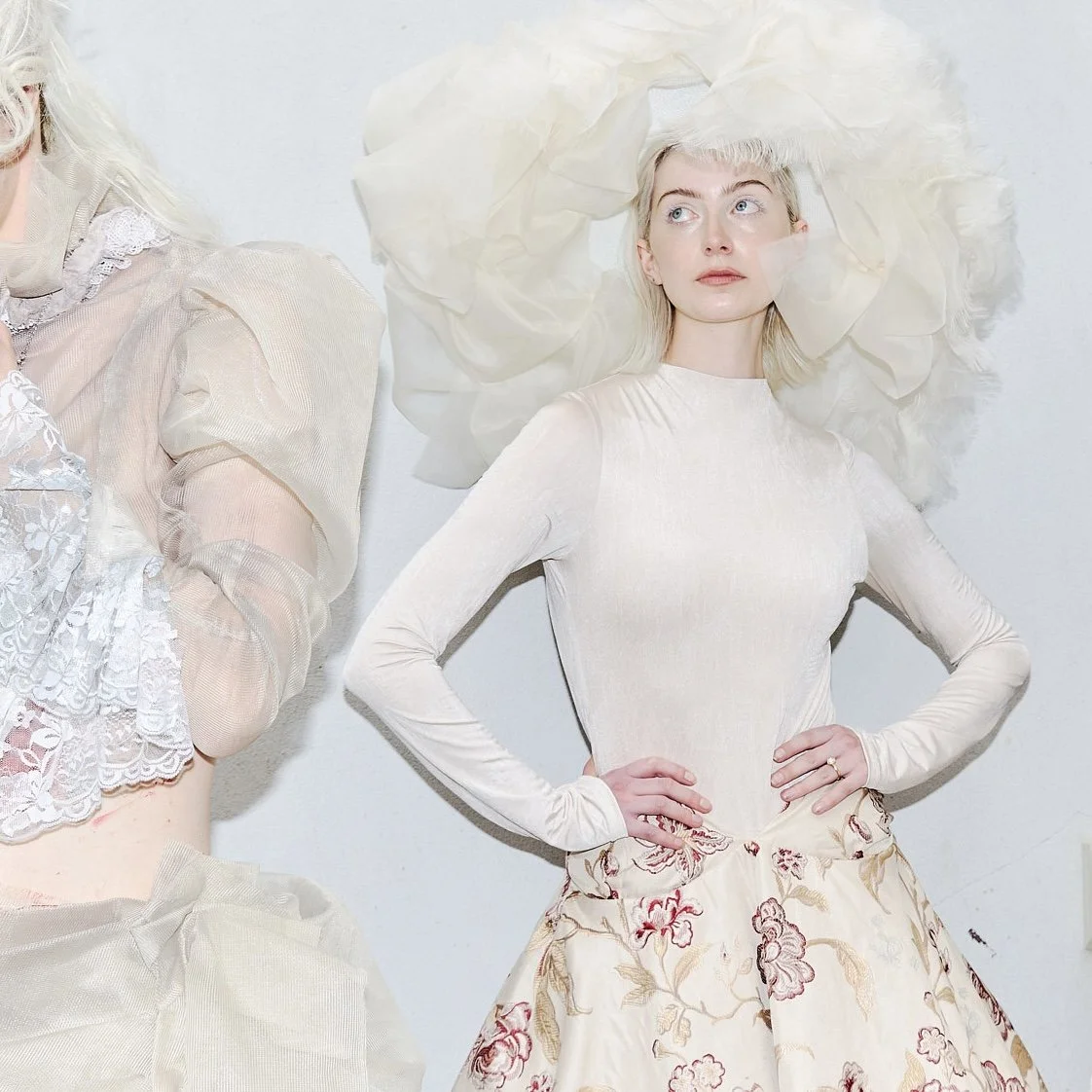
Julie Simonelli-Valentino (Mother): We keep traditional techniques, but we do not freeze them in time. Innovation comes from how they are presented through form, movement, and space, so the work feels alive and relevant. It allows the history behind the garments to be felt, without being confined to the past.
Ruby Valentino (Daughter): I see memory as a starting point rather than something to replicate. Innovation comes from asking how those stories can exist now, through new shapes, materials, and contexts, while still respecting where they come from.
What’s next for Valissia, and what legacy do you hope the label leaves?
Julie Simonelli-Valentino (Mother): I hope it is remembered for its integrity rather than trends. I want it to stand for creativity, care, and responsibility, and to show that fashion can be meaningful as well as viable. I see the label continuing to evolve and grow, while staying grounded in its values and commitment to craftsmanship.
Ruby Valentino (Daughter): I feel confident that with the passion behind the label and the story we carry as a family, it will continue to grow and evolve naturally. I hope it keeps developing in a way that feels honest, while staying connected to its roots and the values that shaped it.
How can people experience the exhibition?
Ruby Valentino (Daughter): Matrilineal Threads is presented as part of the Melbourne Fashion Festival Independent Programme, with tickets available via the Melbourne Fashion Festival website. Held at Villa Alba Museum on Sunday, 22 February, the exhibition will include a dance performance and a contemporary soundscape curated in collaboration with DJ Alan. The presentation extends into a curated retail experience featuring artisan perfumes connected to memory and ritual, alongside a limited-edition handbag by Valissia. Produced in limited quantities, these pieces encourage care, connection, and longevity rather than fast consumption. Future exhibitions and collections will continue to be shared through Valissia by Valentina Valentino, both online and through physical presentations.
Imagery credits:
Photography @omoidee.c
Makeup @alexandra_theeartist
Hair @hayleylewishair
Model @_neishabiviano
Photography @karensong__
Makeup @evielouisegale
Hair @jetsagehair
Model @baileyybliss
Photography @a.boyandhiscamera
Makeup @evielouisegale
Hair @jetsagehair
Model @baileyybliss
Photography @a.boyandhiscamera
Makeup @alexandra_theeartist
Hair @hayleylewishair
Model @_neishabiviano
Photography @a.boyandhiscamera
Makeup @alexandra_theeartist @evielouisegale
Hair @hayleylewishair @jetsagehair
Model @_neishabiviano @baileyybliss
Photography @omoidee.c
Makeup @alexandra_theeartist
Hair @hayleylewishair
Model @_neishabiviano
Photography @kieranmcn
Makeup @evielouisegale
Hair @jetsagehair
Model @baileyybliss
Photography @a.boyandhiscamera
Makeup @alexandra_theeartist
Model @_neishabiviano