
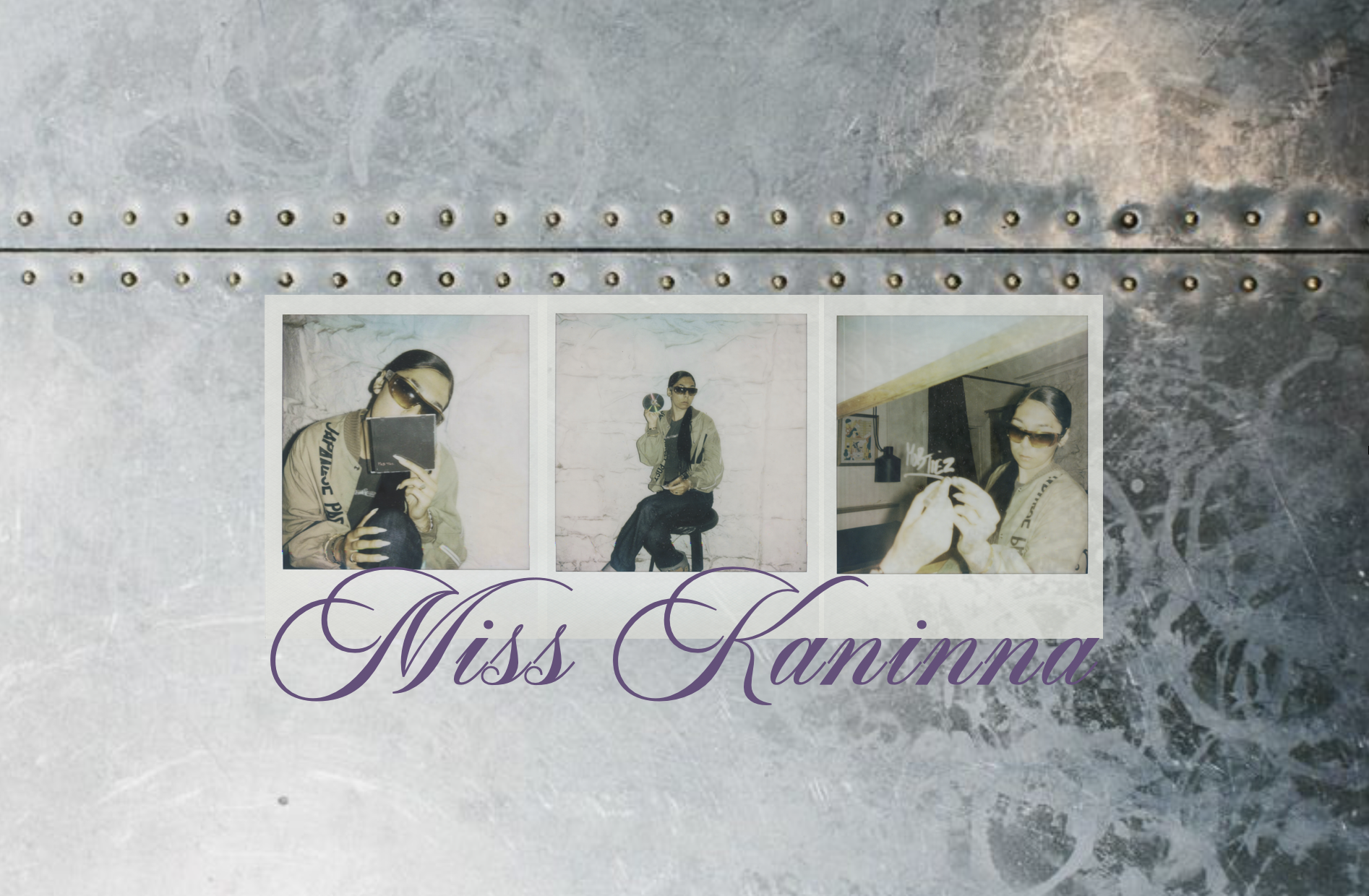
STAYING LOUD, STAYING TRUE: MISS KANINNA ON MOB TIES
With her ARIA-nominated debut single Blak Britney, released just shy of three years ago, independent First Nations singer, Miss Kaninna, has made an unmistakable entrance into the Australian music scene. Since then, she has refused to settle into comfort during her rapid ascent in the industry. Following her self-titled EP release (which won Best Independent Hip-Hip EP/Album at the AIR Australian Independent Music Awards and where she also took home Breakthrough Independent Artist of The Year), the proud Yorta Yorta, Dja Dja Wurrung, Kalkadoon and Yirendali woman remains steadfast in her approach to navigating the cut-throat industry.
‘It’s a long game… we cannot burn out. We have to stay angry, we have to keep our foot on their necks.’
Ahead of her highly anticipated new single Mob Ties, I sat down with Miss Kaninna on one of Melbourne’s rainiest Tuesday afternoons, catching her at a rare quiet moment in an otherwise relentless schedule.
Interview by Ellie Moran
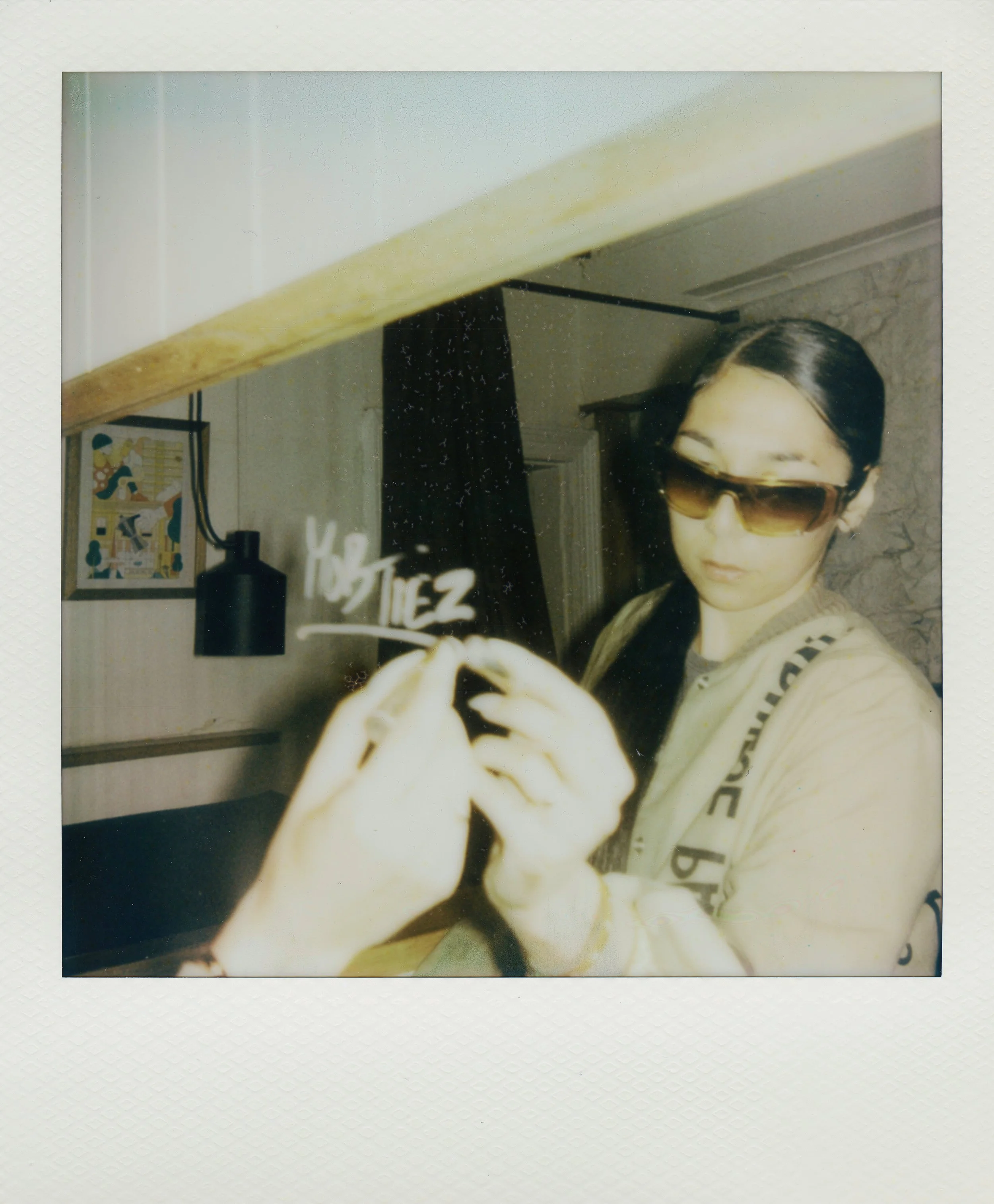
For Miss Kaninna, the phrase ‘mob ties’ isn’t just a lyric or a hook; it’s a declaration of connection. Connection to community, to culture, and to the stories that continue to shape her voice as an artist,
MK: Mob ties is more of a statement that's for specific people. Because there are plenty of people who don't have mob ties. This is talking to people who grew up in mob, who have consciously gone out into different communities and made the connection to create solidarity and partnership between mobs. What I'm speaking to in the track is that a lot of people have all of a sudden tried to find some sort of connection to blackness or POC and Indigeneity. We've seen a massive spike of box tickers, but I've always been Blak, my family's always been Blak. It’s not something that we just decided one day. It's talking to the staunchness and resilience of being colonised in a way that took our culture away. Now we're getting our culture watered down by people who didn't grow up in the community and are trying to claim something. So for me it's about protecting culture and protecting mob ties, and bringing white lies into the light.
EM: Do you feel as though, in an era of constant content and fast cycles, that you need to protect the meaning of a release like this from getting lost in the noise?, if so, how do you? Especially in Australia?
MK: If the song's good enough, it will speak for itself. We can make music that doesn't have any substance. That's cool. But I think if the music speaks for itself, everything will follow. I'm not too worried if people miss it, or if the people who I didn’t write the song for miss it. I don't think mob are going to skip over it. We do have this new age of music trends but for me I'm just going to put out the art the way it is. I just make music that feels good at the time. That's why it's not genre based. It's more a feeling based on what I want to create. I'm never going to be in a position where I have to fight for my decisions. So if [my manager] turned around and told me ‘we need you to make this, this, and this’, I'll be like, you're not the person I thought you were. I'm not going to change the way that I put out art just to catch the next trend. I want it to be sustainable, and that is being true to the art itself.
EM: I love that. It's so good that you've got that sense of self-confidence in your art from the get-go, it's so important and defining for your career to have your own back. People have to trust that you know what you’re doing, and you do. Do you often feel external pressure to represent, educate, or carry more than just your art?
MK: Yeah, 100%. I have been platformed as an Aboriginal artist but I've seen so many people claim that they're Blak, then become famous and all of a sudden they don't care about it anymore. I think that's actually more damaging to the community, to cater and make their art more palatable.
How dare you piggyback on the culture just to get off the bandwagon. When I go over to the UK or Aotearoa, where I feel I'm now the face of Aboriginal music, I don't want to water down what the f*ck is going on here because that's happened for too long. It's easy just to forget about what has happened here.
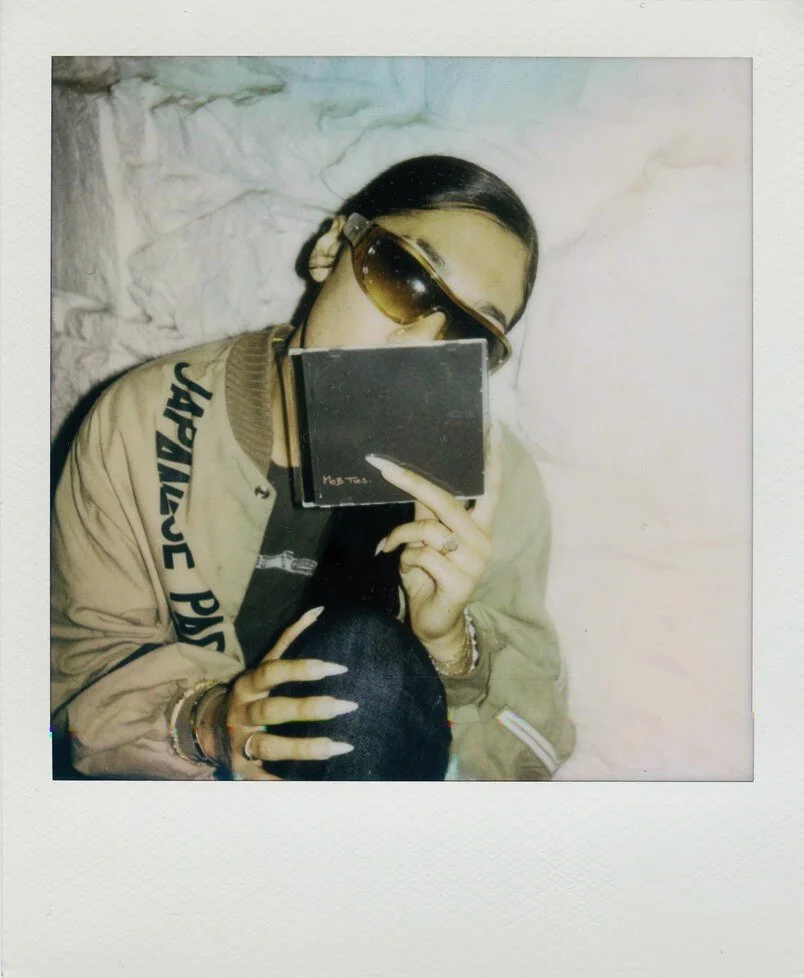
People have become very complicit with the deaths of Aboriginal people in custody, with 10 year olds being locked up and with land being taken away. We don't even have reparations yet. We don't even have one war memorial for the Frontier Wars. I feel the pressure to not only represent my community, but do it correctly in a way that's going to uplift my community and also give hope, because if you focus too much on getting angry at people, it gets you nowhere.
EM: Yeah, I think that's the hardest thing. Because you've got so much internalised emotion, particularly rage, within you. But unfortunately, for some reason you feel like you have to tread lightly in hopes people will finally want to understand your experiences.
Backstreets marked a sonic shift into more pop and R&B territory, but the story underneath it feels incredibly heavy. Did moving into that smoother soundscape make it easier or harder to tell something so personal?
MK: I wrote the song in less than a day. The way I write music is that I'll get the beat first and honour what that's calling me to do. When we were firing back ideas about the sound we were going for, I really wanted that older 80s guitar, pop kind of synths, but also have it bedded within new-age R&B. Blending those older sounds with something more modern. Melodically, when I was talking about my past relationship, I needed something that I could sing to rather than rap to. I didn't want to waste my angry energy on him. I don't want to give him the satisfaction of making something that people are going to dance to that's about trauma. I wanted to slow it down and give people the opportunity to listen to the lyrics and absorb it.
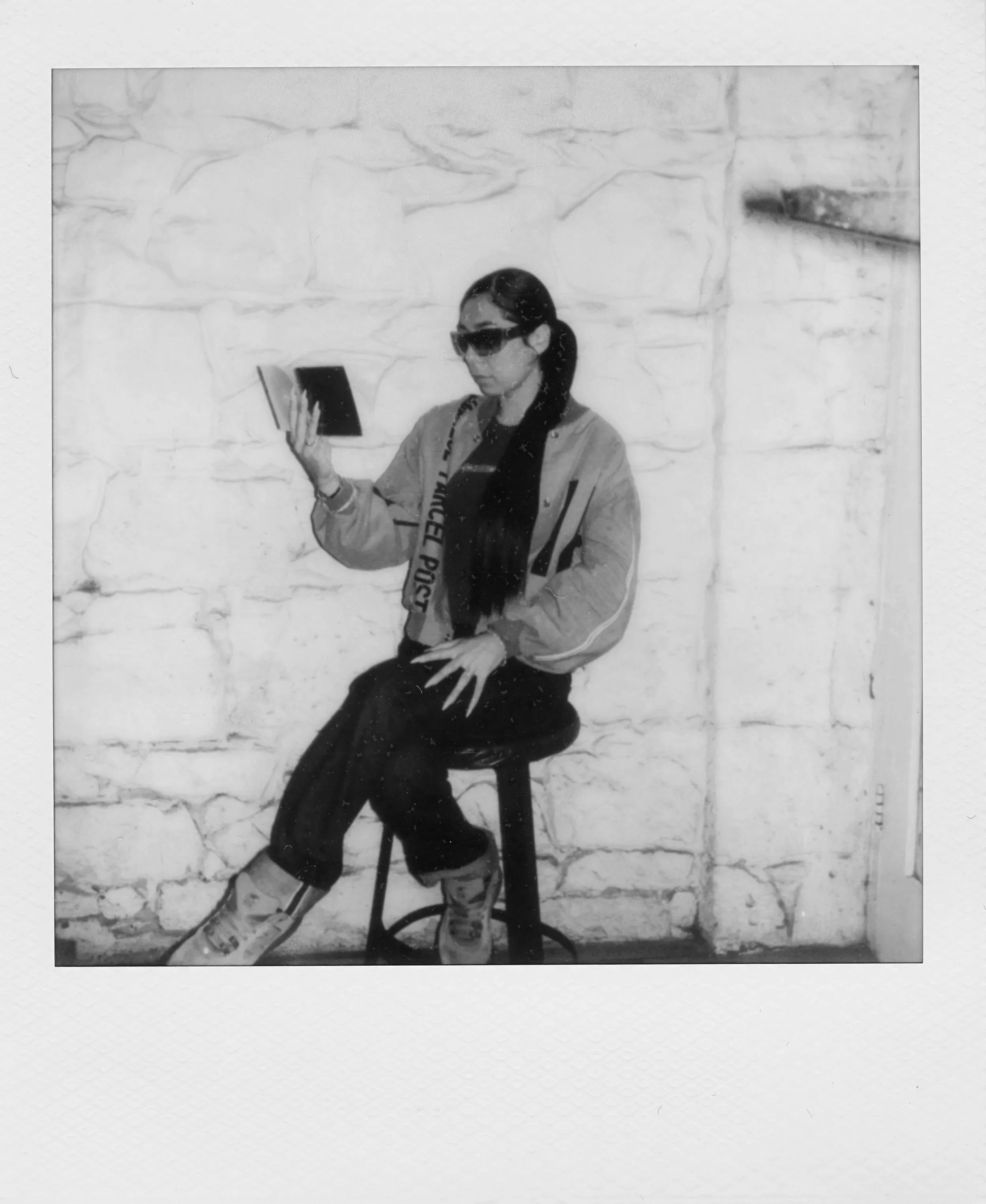
EM: You mentioned elsewhere about being conditioned to stay quiet about your experience in this relationship. What does it feel like to now speak about it publicly and unapologetically?
MK: I think I was so immersed in [the relationship] that I didn't feel like it was necessary right after the breakup to run him through the mud. Nobody gives a f*ck about women who speak up anyway. It wasn't until I met my recent partner and left Tasmania that I started having these conversations about previous relationships. Between the ages of 20 to 25 you're kind of figuring out your own boundaries. Now, I don't doubt my experience and I don't doubt my intuition to leave. I was like, here's my window. I'm leaving in two weeks, to go across the whole country for seven months and I won't be back.
EM: When you zoom out, what does a long-term music career look like to you? Is it about longevity, impact, experimentation, community, or something else entirely?
MK: When I zoom out, I would like to be doing live shows until I've got grandkids. But I want to build a community where I don't have to perform to make money, if that makes sense. We live in such a capitalistic state and so many women of colour are singing into their 60s and 70s just to afford the cost of living. I want to be comfortable, but not in a way where I'm hoarding money. I would like to be impactful to the point where I see the next generation being more experimental, being bigger. I want to help bring in the next generation, eliminate a lot of the racism between now and then because there's a lot of tokenism going on. And also educating young Blak fellas on how to protect their art. People like Barkaa are so important for the door to be kicked in. And then the other big bands like Yothu Yindi and King Stingray. They're such big bands that are also slowly kicking down the doors. There are more and more Indigenous artists being represented on national stages.
EM: You've named a few there, but who are some other Indigenous voices, particularly younger voices, you are wanting to see thrive?
MK: Another is Raya. She's just turned 18. I believe she's Aboriginal, Torres Strait Islander and Samoan. She is so incredibly talented. What's beautiful about her is that she encompasses such a unique community we have here in so-called ‘Australia’. The Islander mob and us have been close for thousands and thousands of years. The fact that she embodies that solidarity and that she can SING. She just has it.

EM: When you toured with Kneecap, who are very unashamed in how they foreground language, place and working-class identity, did witnessing that conviction up close influence how you think about your own voice and messaging?
MK: What I learnt from them is that Irish culture has been through what we're going through now. What feels very isolating as an Aboriginal person experiencing racism and colonisation is no longer isolating when you realise it's not about colour. As soon as we leave Australia, all of a sudden we're respected as the oldest living culture in the world. Everybody wants to know about what's going on. It's about land and power. It seems targeted at colour but the Irish are white. It's about greed and about who can force a group of people to do what they want. I learned from the boys that it's a long game and that we cannot burn out, we have to stay angry and keep our foot on their necks. Kneecap has reinvigorated a whole group of people to actually be politically proactive. I’m gonna remember it forever.
EM: Hearing the crowd chant ‘Always Was, Always Will Be’ back to you in Glasgow must’ve been so powerful. What went through your mind at that moment?
MK: All tour I was being hyped for the Glasgow show, so it was very much specific to that show. 15,000 people is crazy, I thought, how could it be better than this? I had no voice by the time of this show, the night before, the boys suggested ‘no talking tonight when we finish this show, everyone go to sleep’, but as soon as we got on the bus we couldn't help it, it was just talking and drinking all night. Throughout the whole tour, I noticed how much the crowd loved to be involved in the Kneecap show. They do so many chants for the boys in between songs. They want to be part of it and I thought, what can I do to include the crowd? The whole tour I was teaching people how to say Aboriginal words, but for this show I wanted to teach them something that lasts. The chant feels like you can either choose to go and learn about it, or you can choose to be ignorant. I wanted the mob back home to be able to live through it and see that racism towards Aboriginal people is an Australian issue. I didn't realise how insane it was until after, I saw it on a video and I was like, whoa, this is mental.
EM: Complete sidebar, but your visual identity is so strong. Do you work with a stylist, or do you feel like you’ve fully stepped into your own look now?
MK: I knew nothing about fashion before I moved to Melbourne. I wanted to know about fashion and I was always putting something a bit weird on, but at the same time trying to stick to the status-quo in Tasmania. I felt very oppressed in that way. Too scared to experiment, especially being Indigenous and being the way that I look, I'm not the beauty standard in this country. It wasn't until I moved to Melbourne that my partner, Noah, (who is a fashion designer and an upcycler), slowly helped me work out what looks good on my body.
EM: It helps to be living in a city now that lets you embrace that experimentation a bit more.I feel the same coming from a small town in Central Victoria. It feels too small to branch out into your personal style in fear of judgement, but then you come here and it's like, no one cares.
What’s your go-to album at the moment, the one you keep returning to?
MK: I don't actually listen to albums. I listened to the same songs. Over and over and over again. The only album that I've really listened to back to front is SOS by SZA, and Marlon Williams ‘Te Whare Tīwekaweka’ album.
EM: Such great picks there. You’ll be performing at Sonder Festival this Easter. Does a festival setting shift how you approach your performances? Particularly when the audience may not all know your story yet?
MK: I started my career in festivals. I didn't start my career in pubs or in music rooms. It was very much straight to the festivals. I'm used to no one knowing me at all. It's always the same at every festival. There's a group of fans who know it and then these other people are like, what's going on here? It takes a while for people to get with it and then they stay. It's almost nicer than doing my own shows because I feel there's so much pressure on my headline shows. Nobody even coughs when I talk because the audience is so respectful. Sometimes I'm worried that I might say the wrong thing in the silence. Since the Amyl and the Sniffers tour, the crowds have become a lot bigger and because of my message, the people want to come back and support. So, there's definitely been a massive shift in the last year, I would say.
EM: With your upcoming tours on the horizon, what part of touring tests you the most?
MK: I love being on the road, I feel like when I come back home I'm bored. Although there's this chronic displacement that touring artists feel. It can be quite scary because you have artists who are blowing up online, but they don't know anything about touring. For me, I'm constantly in different environments. The Kneecap shows were insane because you go from anywhere between 2000 to 15,000 people screaming in your face. The energy is so high and electric, and then you go back to your hotel room where you're by yourself, eating a HSP and your ears are ringing and you feel very displaced. Then you go home to a place that you haven't been to for weeks and it doesn't feel like home anymore. So you're constantly trying to find that adrenaline within in all; it can be really damaging. As much as I'm extremely grateful that this is the life I have, I need to learn how to look after my body on tour.
EM: Touring can sometimes blur those lines between artist and symbol. When you’re in different cities and spaces, do you feel like your message shifts, or does it stay rooted in the same core?
MK: It definitely shifts. In Melbourne, Tasmania, Sydney or Brisbane I’m very unfiltered. But somewhere like Byron Bay I’ve been told I’d be taken off stage if I said certain things again. It's just this weird thing that bookers do. Sometimes they want to book you because you tick a box, but then they want you to dull down your art. That’s not how it works. You don’t own me. When I perform in places like Aotearoa, the UK or the US, those people aren’t responsible for our history but they do have a responsibility to learn. So I ask them to listen with open ears. In Australia I’m more direct because people could be doing a lot more.
EM: My last question is: when you think about the legacy you’re building, what do you want to protect at all costs?
MK: My soul.
People say that when you get into the music industry you sell your soul. That's very true. A lot of people sell their values and their morals to get a bag. I really hope that I'm able to stay grounded enough to stick to my morals and not just take a paycheque because I need to. I hope that I'm able to build enough of a career that I don't have to compromise because I don't want to gain something if it means somebody else is going to suffer. I hope my legacy is that I was always true to my intentions.
As our conversation wrapped up and the rain continued to fall outside, Miss Kaninna returned to the same principle that seems to guide every decision she makes as an artist. In an industry that often rewards speed, trends and compromise, she remains focused on something slower and far more enduring. For her, the work is not simply about building a career but protecting her culture, her community and the integrity of her voice along the way.
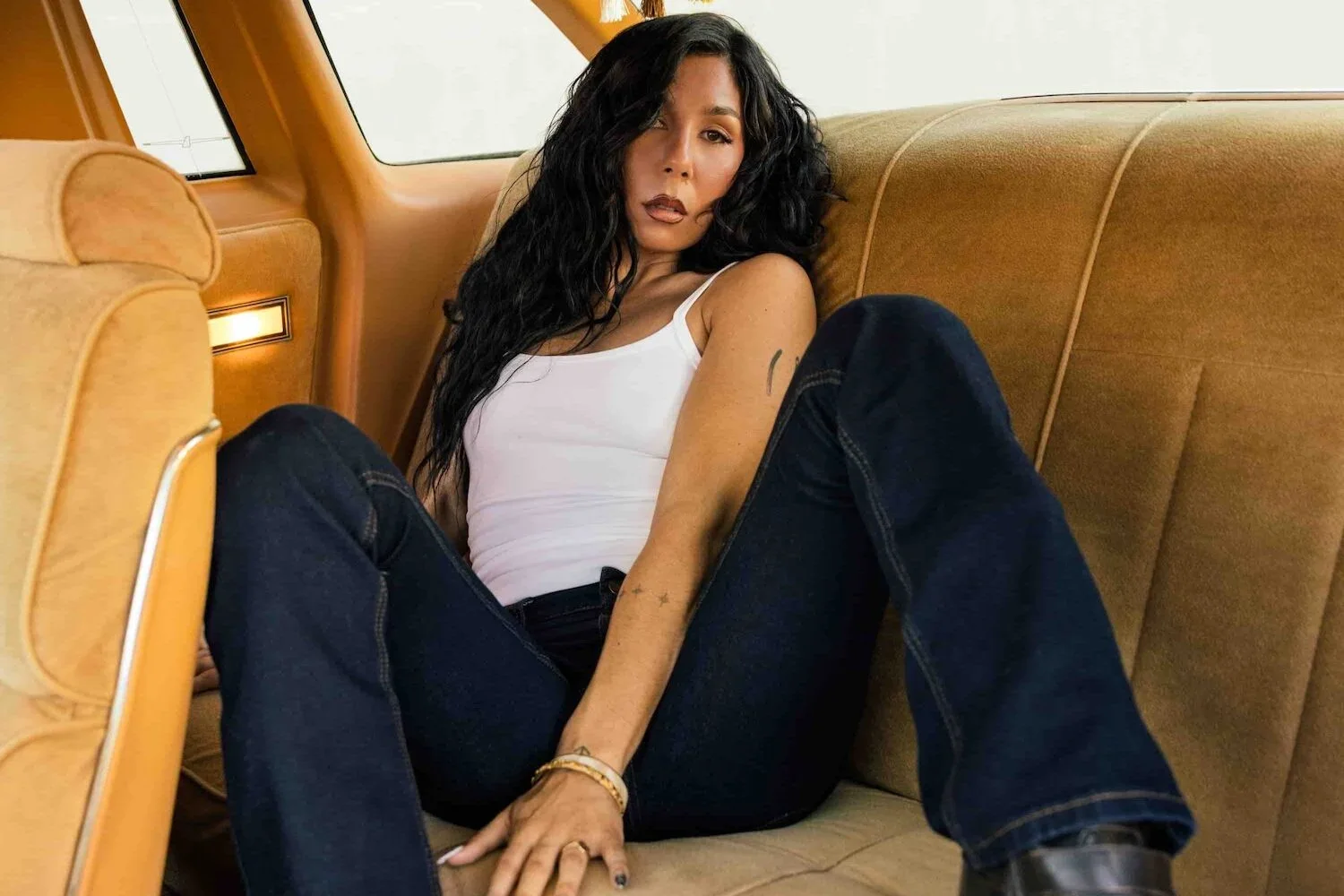
You can checkout the music video for MOB TIES here:
Warning: Aboriginal and Torres Strait Islander readers are advised that the video and single art for MOB TIES contain the images of Indigenous people who have died.