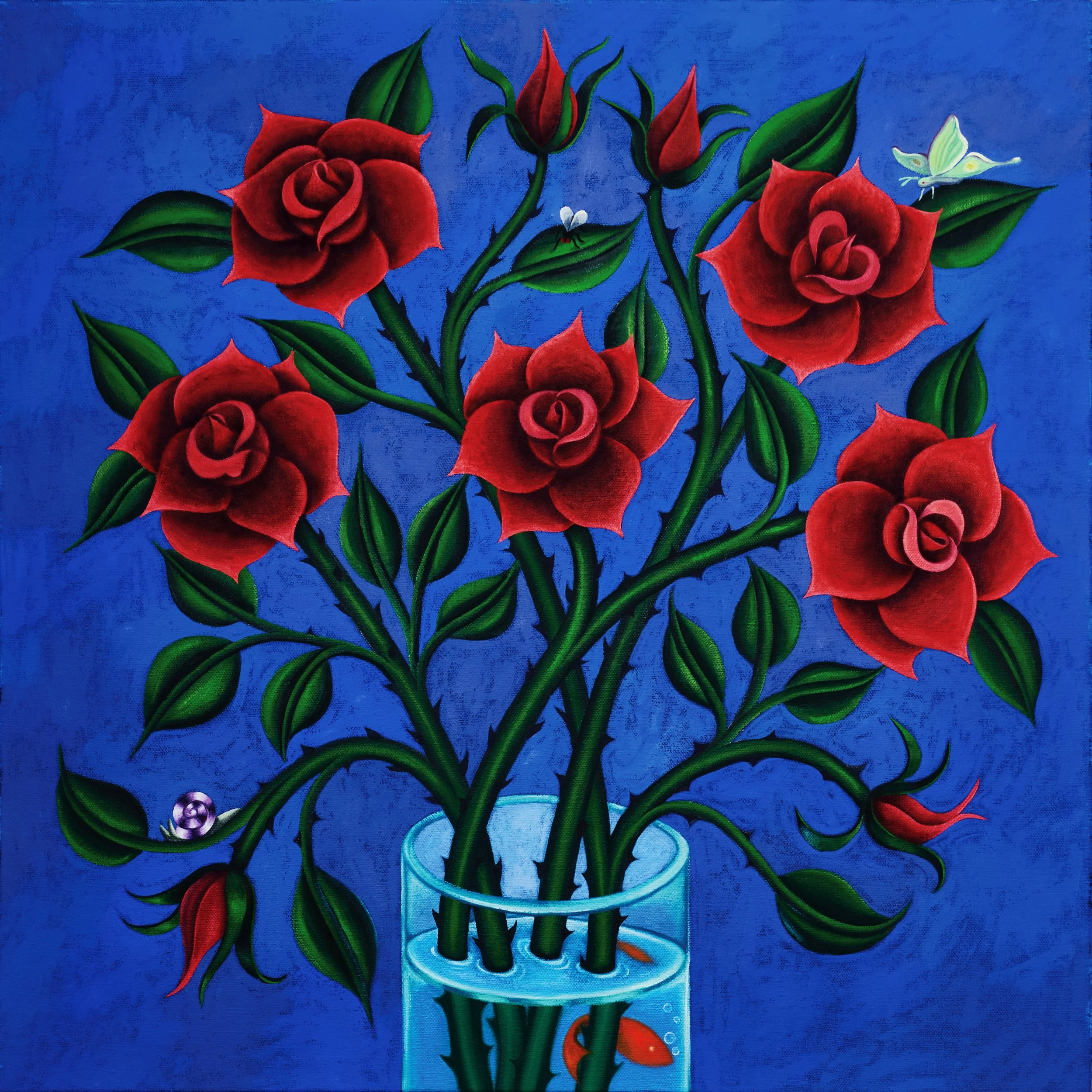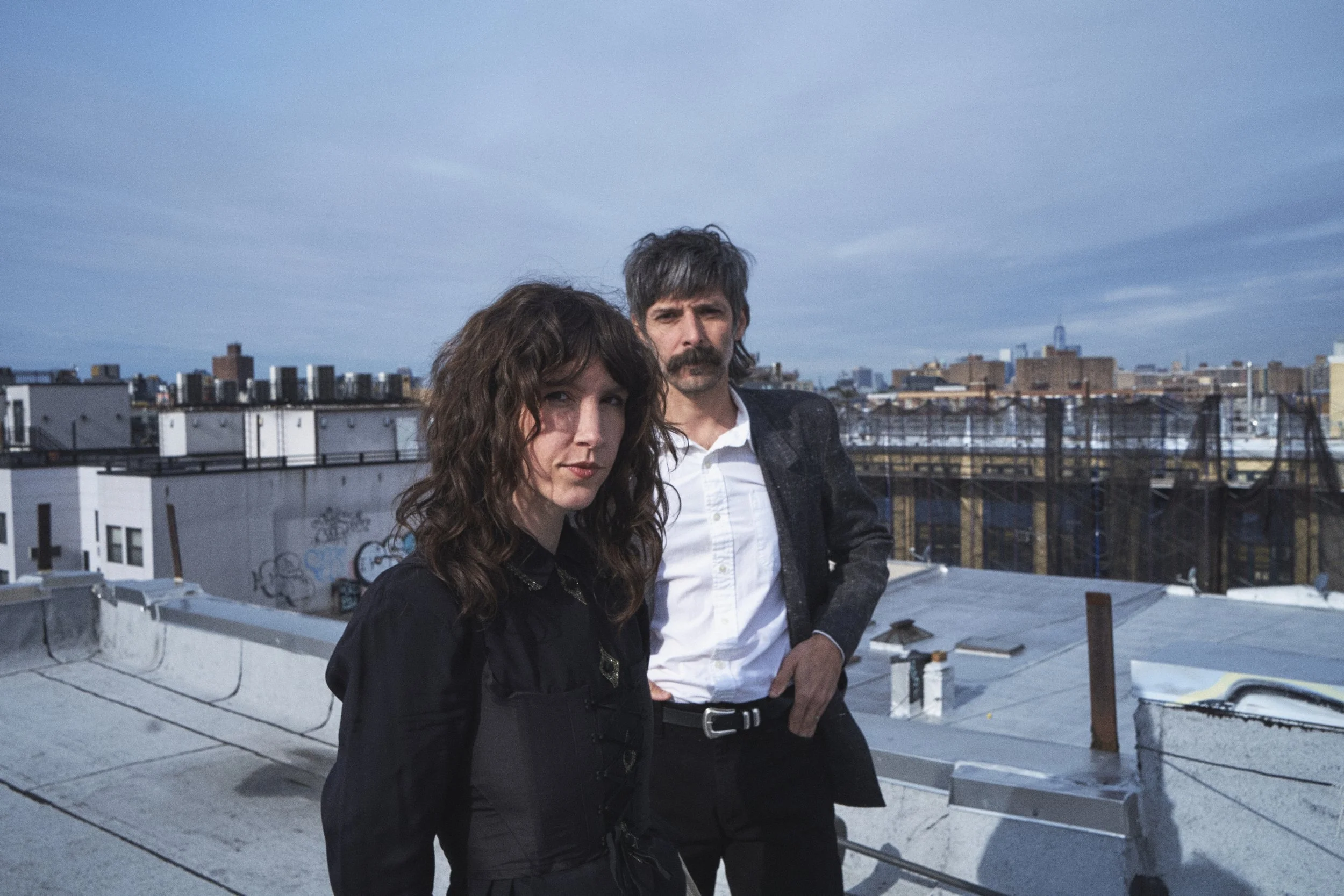
Like an Old Friend: Widowspeak on new release, Roses
Interview by Ellie Moran
Widowspeak excel at finding profundity in the understated. Across more than a decade of music, Molly Hamilton and Rob Earl Thomas have built a catalogue of songs that habitually drift in like a familiar memory. Their latest album, Roses, continues that tradition, but with an intimacy that feels particularly vivid. The record has been described as capturing the ‘romantic minutiae of daily life’ and the ‘quiet magic of long love’. When I first heard the advance release, it arrived at exactly the right moment. In a world that often feels loud and demanding, Roses offered something increasingly rare: space to slow down, sit with your thoughts and pay attention to the small moments.
Much of that stillness can be traced back to where the album took shape; Hydra. Visiting in January, when the island of Hydra belongs almost exclusively to its year-round residents, Hamilton and Earl Thomas found themselves removed from the distractions of everyday life. Where donkeys still serve as the primary mode of transport, and street cats wander the stone laneways like familiar neighbours. Away from work schedules, obligations and the interruptions of home, the pair were able to fully immerse themselves in the process.
"With Roses the songs are a snapshot of a time and place, and the people who were part of it. Things are a little more rough and unedited because of that, which we love," Hamilton says.
I spoke with Hamilton, ahead of the album's release.
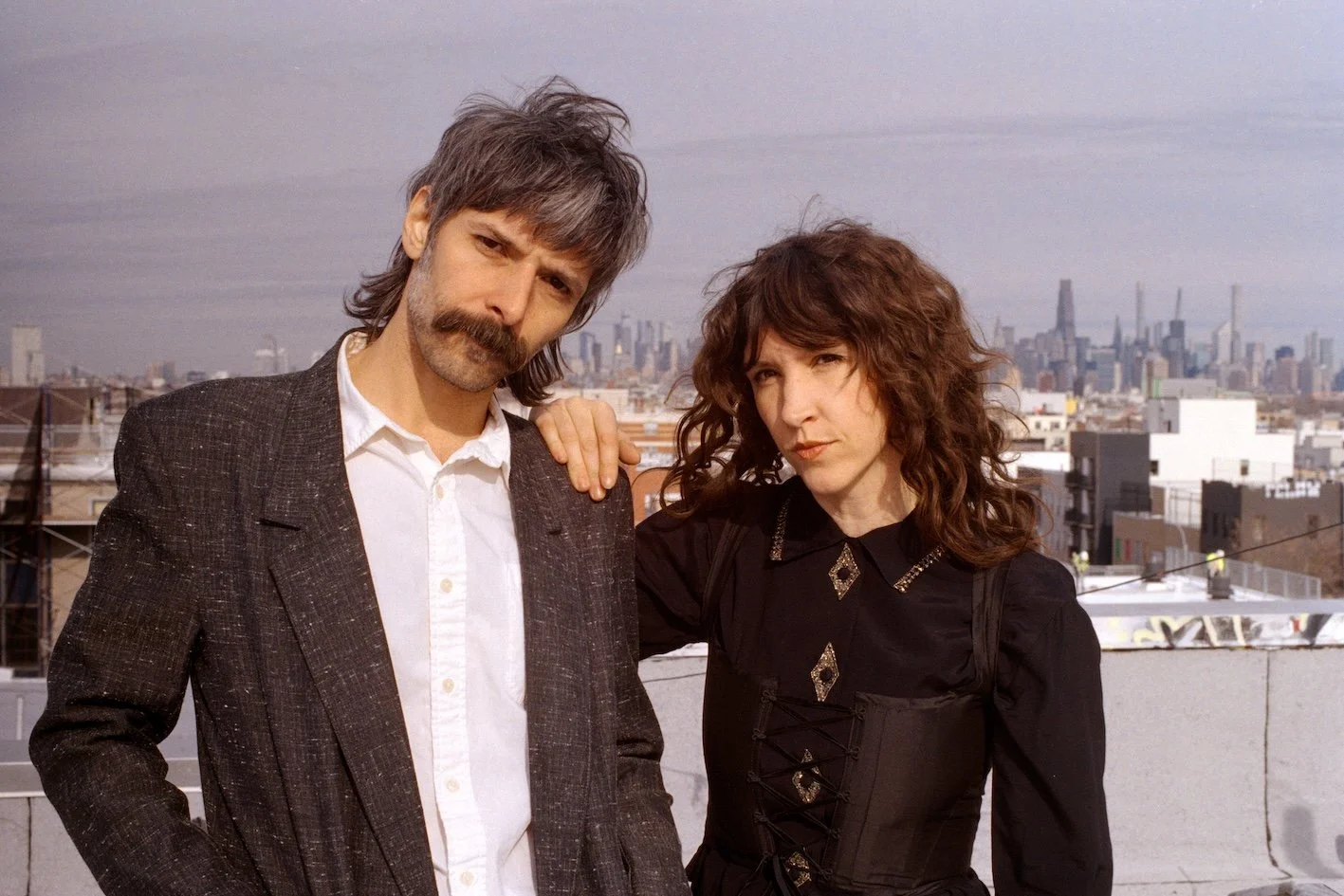
While Widowspeak have spent over a decade refining their chemistry, songs rarely emerge from the pair sitting down and writing together in real time.
What does a typical writing session look like for you two?
"It starts out as an exchange between the two of us, not really writing together until later in the process. I'll collect voice memos for a long time and play around with the outlines of songs until I feel like they're in a compelling place as a group, but still really rough. Then I'll show them to Rob in batches, and he'll make little instrumental demos"
One of the album's most immediate examples of that creative partnership is "Soft Cover". Built around intertwining guitar lines and one of the record's most memorable melodies, it feels effortlessly complete, as though it has always existed.
'Soft Cover' was a standout for me. What can you tell me about where that song came from?
'Soft Cover' is a perfect Widowspeak song, in that it came together in just a few minutes and felt like the most natural thing. Rob and I both are really enthusiastic about writing a catchy melody, so a lot of times the voice and guitar are both taking the lead, weaving together. We even wondered if it was too obvious for that reason? Maybe that’s true of any good pop song.”
That effortless quality is perhaps what Widowspeak have spent the last fifteen years perfecting. Since emerging from Tacoma in the early 2010s, the pair have cultivated a sound that feels remarkably timeless. While production techniques have become more sophisticated, the heart of the project remains largely unchanged.
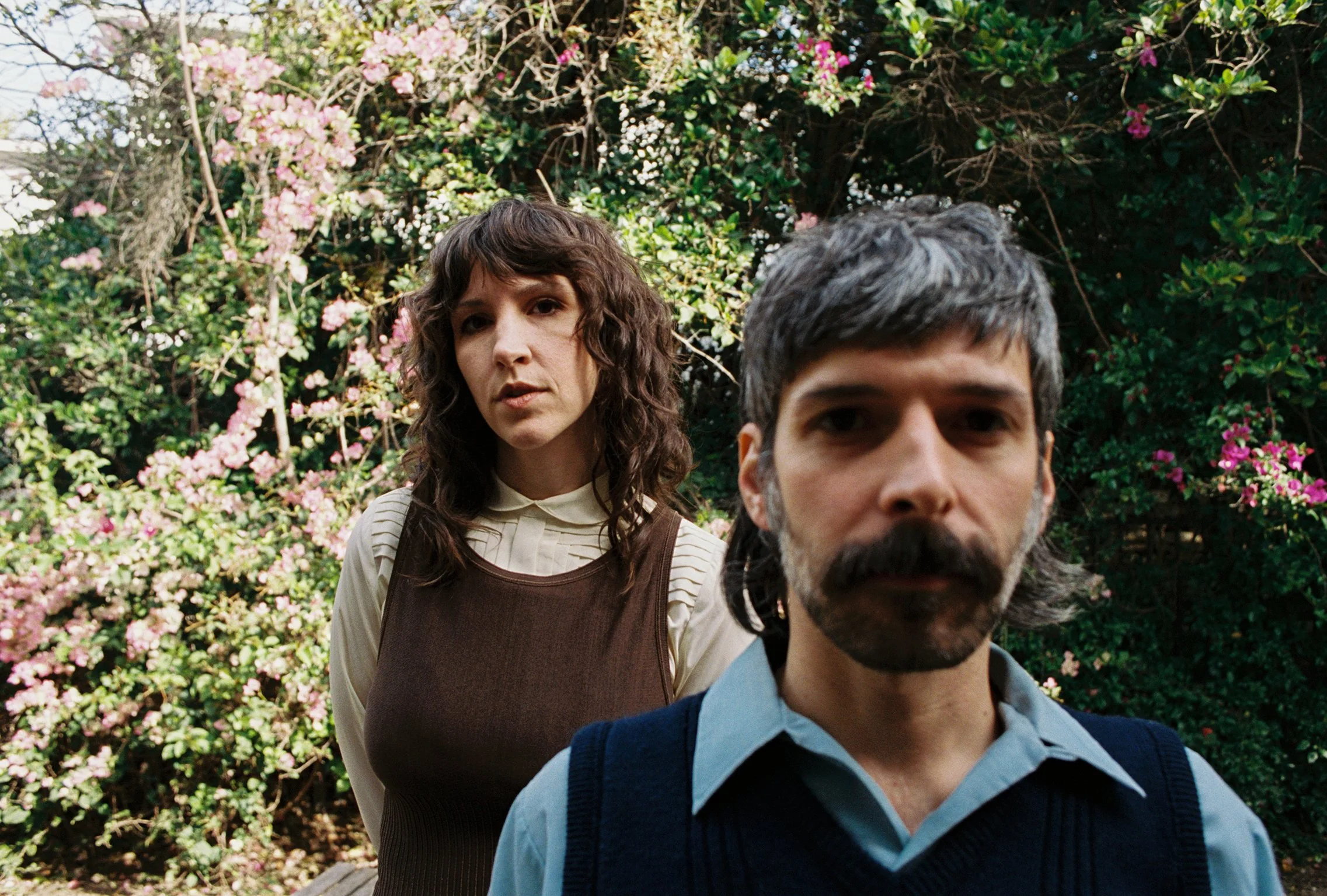
How do you think your sound has evolved since those early days in Tacoma?
“We’re definitely a little more conscious of production and the fact that we have an audience who might want a little more fidelity, but at the same time, we haven’t really changed much.We embrace all our same influences but have maybe gotten a bit more nuanced over the years”
That nuance extends to how she imagines the music is received.
Do you make music for active listeners or do you like the idea of it just living in someone's home?
“Maybe both. On one hand, I care a lot about lyrics and we both think a lot about dynamics and how the songs move for an active listener, but we’re also pretty mellow so we’re not asking too much of a listener. If anything, we make music that could hopefully draw someone in from the background.”
What does making music give you that nothing else does?
“Music gives me perspective. Being able to play songs together, whether at shows or making records, gives you this way of connecting with people abstractly, from afar. I write songs to zoom out from my own life.”
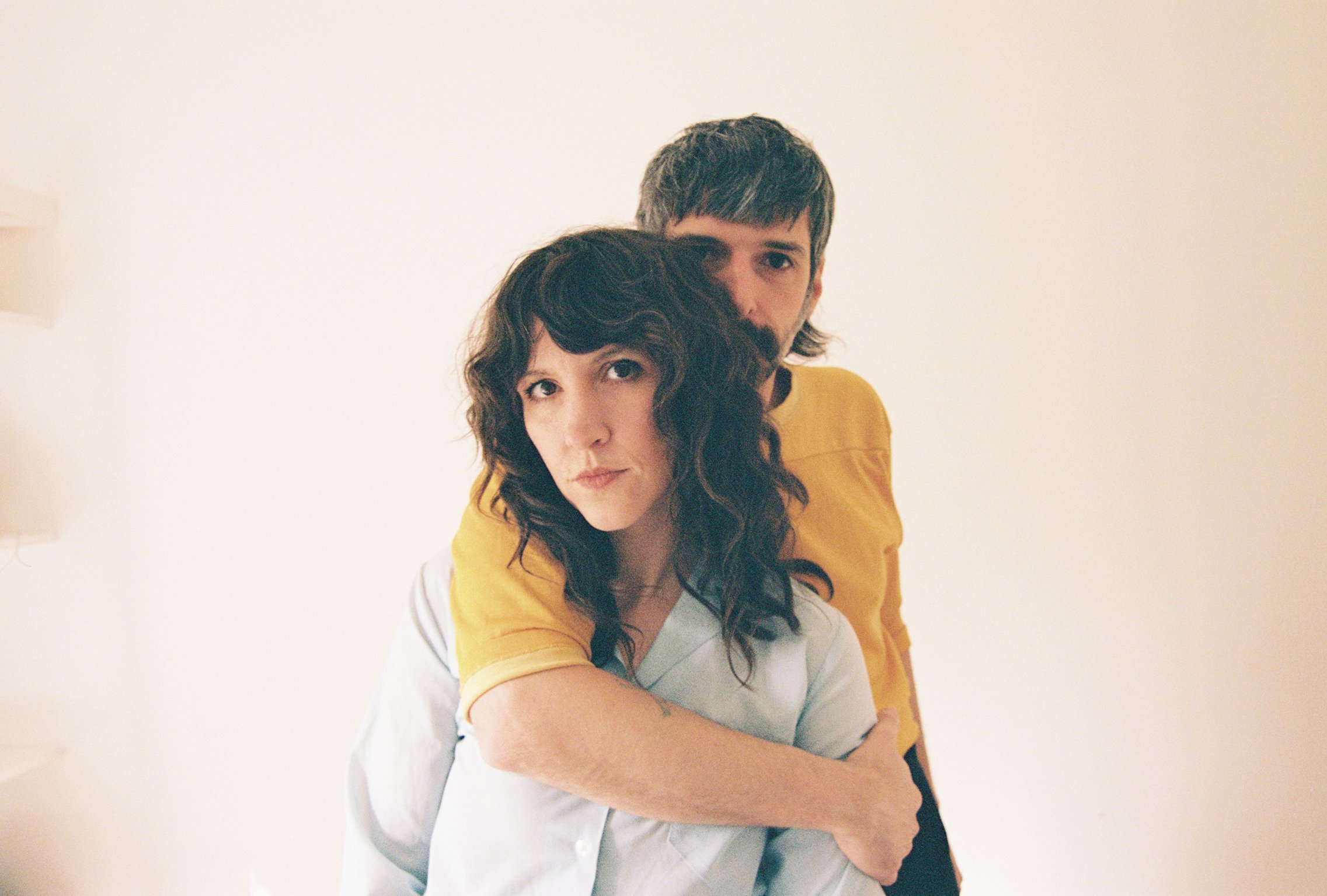
The Hydra sessions yielded something vivid but unpolished, and shaping it fell to Alex Farrar, who has mixed for MJ Lenderman, Snail Mail and Squirrel Flower.
What did Alex Farrar bring to Roses that felt right for these songs?
“The tracks we had from the studio were pretty raw. We'd gotten great recordings in the live sessions and somewhat dialled in the overall sound, but it was definitely a little bit of a mess. He did such an incredible job breathing life into what we'd captured, giving it cohesion, connecting all the dots, shining it up and giving it more depth in a lot of places."
Their aim, ultimately, was warmth.
What do you hope people feel when they listen to Roses?
"I hope it feels familiar, like an old friend. But also like a friend you haven't seen in a while, who you want to sit down and have a long conversation with. I hope people listen to the whole album and connect with it. Let it play in the background of their life.
Seven albums deep, the question of identity would seem an easy one to answer. Yet Hamilton describes the band's evolution less as a process of reinvention and more as a continual return to something familiar.
Do you feel like you've finally figured out who Widowspeak is, or does that keep shifting?
"It doesn't shift, but we keep circling or spiraling into Widowspeak,honing in on what it is at the core..."
The answer feels fitting for Roses, a record largely concerned with permanence. Whether documenting domestic life, long-term partnership or the beauty found in repetition, the album repeatedly returns to the idea that familiarity need not diminish wonder.
That perspective has taken on new dimensions in recent years. Alongside being bandmates and creative partners, Hamilton and Earl Thomas are now navigating parenthood.
How has the creative dynamic between you two shifted since becoming parents?
We don’t know , really, because Peggy isn’t even a year old yet! It’s admittedly a lot more difficult to get time away, since one of us is usually watching the baby and sitters are expensive. The creative dynamic is the same as it has always been, just logistically more complicated!
It's hard to imagine a more Widowspeak note to end on: the ordinary made tender, the constraints folded quietly into the work, and wonder turning up where it always does, in the small and familiar.